The Drive-Through Dilemma That Put Cup Holders in Every Car
The Missing Feature No One Noticed
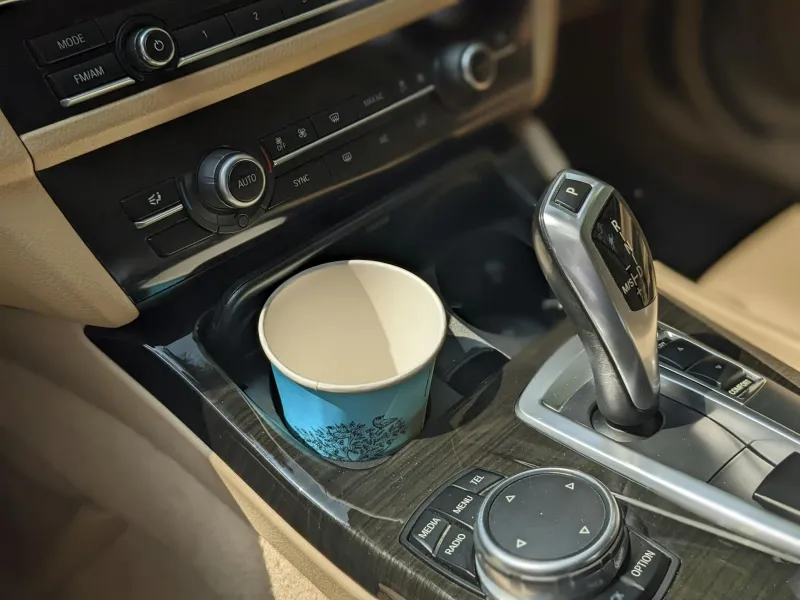
Open any car door today and you'll find them everywhere—cup holders molded into dashboards, center consoles, door panels, and even armrests. Modern vehicles boast eight, ten, sometimes twelve designated spots for beverages. Yet for the first eight decades of automotive history, cars had exactly zero cup holders. Drivers made do with creative solutions: balancing coffee mugs on flat dashboard surfaces, wedging soda bottles between seats, or simply going thirsty.
The absence wasn't an oversight. Early automobiles were transportation machines, not mobile dining rooms. Drinking while driving seemed as unnecessary as eating while operating a typewriter. Even as cars evolved from utilitarian contraptions into family vehicles, beverage storage remained an afterthought.
When Fast Food Met the Highway
Everything changed in the 1970s when two American innovations collided: the interstate highway system and the drive-through restaurant. McDonald's had introduced drive-through service in 1975, and competitors quickly followed. Suddenly, millions of Americans were purchasing hot coffee, ice-cold sodas, and thick milkshakes without leaving their vehicles.
The problem became immediately obvious. A steaming cup of coffee had nowhere safe to rest in a moving car. Drivers attempted to balance beverages on their laps, tuck them between seat cushions, or hold them while steering—all dangerous propositions on busy highways. Spills became commonplace, ruining upholstery and creating safety hazards.
The Aftermarket Solution
Entrepreneurial accessory companies spotted the opportunity first. By the early 1980s, auto parts stores sold clip-on cup holders that attached to air vents, window-mounted trays, and console inserts. These aftermarket solutions proved wildly popular, selling millions of units annually. Yet Detroit automakers remained skeptical.
Ford, General Motors, and Chrysler viewed cup holders as unnecessary gimmicks that would cheapen their interiors. Engineers argued that drinking while driving was inherently unsafe and shouldn't be encouraged through vehicle design. Marketing departments worried that beverage storage would make cars feel more like fast food restaurants than sophisticated transportation.
The Minivan Revolution
The breakthrough came from an unexpected source: the family minivan. When Chrysler introduced the Plymouth Voyager and Dodge Caravan in 1984, designers recognized these vehicles served different purposes than traditional cars. Minivans were mobile family rooms designed for long trips with children—exactly the demographic most likely to need beverage storage.
Chrysler included cup holders in the minivan's center console, marketing them as family-friendly convenience features. The response was overwhelmingly positive. Families loved having designated spots for juice boxes, coffee mugs, and travel bottles. Suddenly, cup holders weren't automotive accessories—they were selling points.
The Luxury Car Holdout
While minivans embraced cup holders, luxury automakers initially resisted. BMW, Mercedes-Benz, and Cadillac considered beverage storage beneath their premium image. These brands marketed sophistication and driving purity, not convenience for fast food consumption.
The resistance created an awkward situation where economy cars featured better beverage storage than expensive luxury vehicles. Consumer Reports began rating cup holder quality alongside engine performance and safety features. Automotive journalists started mentioning cup holder placement in reviews, sometimes criticizing high-end cars for lacking basic convenience features.
The Tipping Point
By the early 1990s, consumer demand had reached a tipping point. Market research revealed that cup holders ranked among the most desired automotive features, especially for families and commuters. Even luxury buyers, influenced by the convenience culture spreading across America, began asking dealerships about beverage storage options.
Automakers finally capitulated. The 1992 model year marked a watershed moment when nearly every major manufacturer began including factory cup holders. What started as aftermarket accessories became standard equipment across all vehicle segments.
The Engineering Challenge
Designing effective cup holders proved more complex than expected. Engineers had to accommodate different container sizes, from narrow coffee cups to wide fast food sodas. The holders needed to secure beverages during acceleration, braking, and cornering while remaining easily accessible. Materials had to withstand spills, temperature changes, and repeated use.
Some manufacturers went overboard. The 1990s saw cup holders that motorized out of dashboards, holders with built-in cooling systems, and consoles with enough beverage storage for an entire soccer team. The feature that automakers once dismissed as frivolous became a competitive battleground.
The Modern Cup Holder Wars
Today, cup holder quantity and quality remain significant factors in vehicle purchasing decisions. Automotive reviewers dedicate entire sections to beverage storage, testing everything from holder depth to grip strength. Manufacturers tout cup holder innovations in marketing materials, highlighting features like adjustable sizing and premium materials.
The transformation reflects broader changes in American culture. Cars evolved from simple transportation into mobile living spaces where people eat, drink, work, and socialize. Cup holders symbolize this shift—a small design element that accommodates our increasingly busy, on-the-go lifestyle.
The Unexpected Legacy
What began as a fast food inconvenience ultimately reshaped automotive interior design. Cup holders forced engineers to reconsider center console layouts, dashboard configurations, and passenger ergonomics. The feature that luxury automakers once scorned now appears in every vehicle from economy cars to exotic supercars.
The next time you slide a coffee cup into your car's holder, remember you're using a feature that didn't exist for most of automotive history. It took the collision of drive-through dining and highway culture to create one of the most ubiquitous—and surprisingly important—elements of modern vehicle design.