Backstory Files The hidden history behind everyday things

Backstory Files

The hidden history behind everyday things

Latest Articles

Tech & Culture

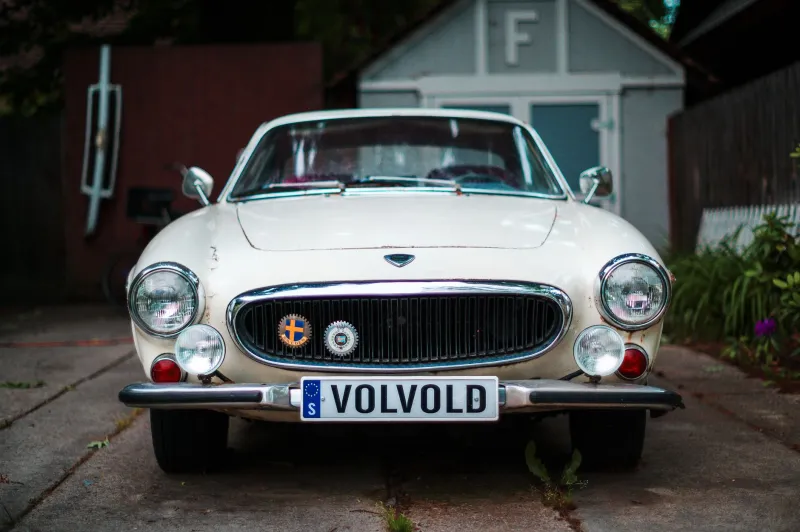
The Belt Nobody Wanted: How a Frustrated Engineer's Car Ride Home Changed Safety Forever

In 1959, a Swedish aerospace engineer named Nils Bohlin was tired of his family getting tossed around corners during his evening commute. What he cooked up in his garage notebook didn't just fix his problem — it quietly became the single most life-saving invention in automotive history. And then Volvo gave it away for free.
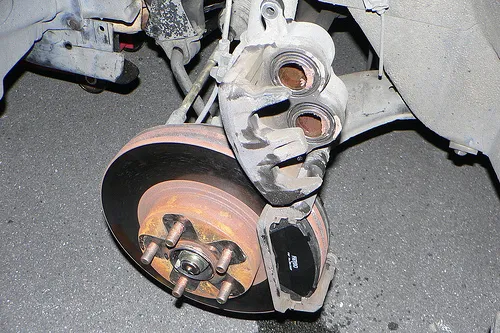
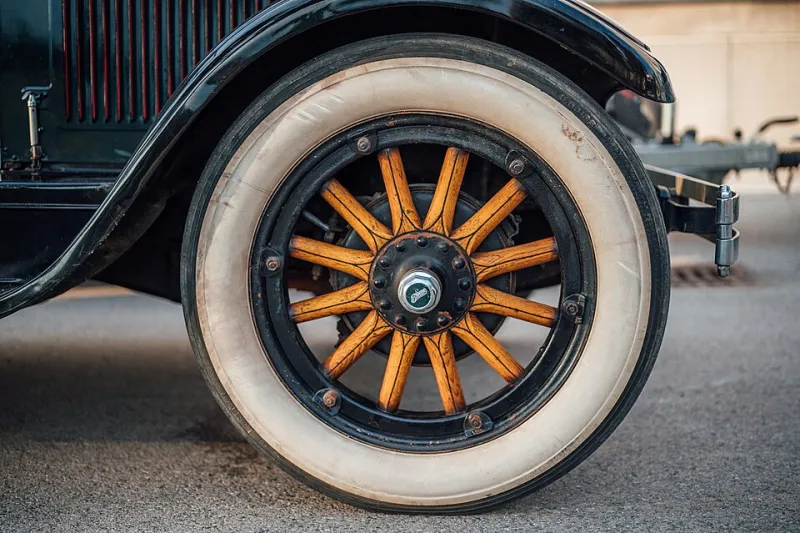
Why Your Car Has Five Lug Nuts — And Why That Number Makes Almost No Sense
Tech & Culture

Why Your Car Has Five Lug Nuts — And Why That Number Makes Almost No Sense

Ask an engineer why car wheels have five lug nuts and you'll get a long pause followed by a surprisingly complicated answer. The number five wasn't chosen for elegance or physics — it was chosen because of a century-old compromise that nobody ever bothered to undo. Welcome to one of the most overlooked design decisions in American automotive history.

Tiller, Joystick, or Wheel: The Forgotten Design War That Shaped Every Car Ever Built
Tech & Culture

Tiller, Joystick, or Wheel: The Forgotten Design War That Shaped Every Car Ever Built

Before the steering wheel became the universal symbol of driving, engineers were locked in a heated debate about whether cars should be controlled by a tiller, a joystick, or something else entirely. The wheel won — but only barely, and for reasons that had as much to do with a single accident and Henry Ford's assembly line logic as with any engineering superiority.

She Invented the Windshield Wiper. Then the Auto Industry Spent Decades Pretending She Didn't.
Tech & Culture

She Invented the Windshield Wiper. Then the Auto Industry Spent Decades Pretending She Didn't.

Mary Anderson patented the windshield wiper in 1903 after watching a New York City streetcar driver struggle through a sleet storm with the window open. What happened next is a masterclass in how the auto industry of the early twentieth century dealt with ideas it didn't want to credit — and a safety innovation it wasn't ready to adopt.

The Flat Tire That Changed Everything: How One Breakdown Made Spare Tires Standard
Tech & Culture

The Flat Tire That Changed Everything: How One Breakdown Made Spare Tires Standard

Before the 1920s, getting a flat tire on a remote road meant waiting for help that might never come. One well-connected businessman's unfortunate breakdown turned a personal nightmare into a nationwide safety standard that's still sitting in your trunk right now.

Pump It Yourself: The Slow Death of the Gas Station Attendant and What It Says About America
Tech & Culture

Pump It Yourself: The Slow Death of the Gas Station Attendant and What It Says About America

For decades, pulling into a gas station meant someone ran out to greet you, pumped your gas, checked your oil, and cleaned your windshield. Then, almost overnight, that person disappeared. The story of why is less about fuel and more about who Americans decided they wanted to be.

The Mailman Who Mapped America Before the Traffic Engineers Did
Tech & Culture

The Mailman Who Mapped America Before the Traffic Engineers Did

Long before traffic engineers had computers or cameras, a postal superintendent's obsessive record-keeping on his mail routes quietly produced the first systematic picture of how American city streets actually worked. The data he gathered still shapes how roads get designed today.

How One Angry Mom's Letter to City Hall Gave Birth to the Carpool Lane
Tech & Culture

How One Angry Mom's Letter to City Hall Gave Birth to the Carpool Lane

In the early 1960s, a fed-up suburban mother wrote a letter about school traffic that nobody expected to take seriously. Decades later, her frustration had quietly reshaped the way millions of Americans commute every single day.

Tech & Culture

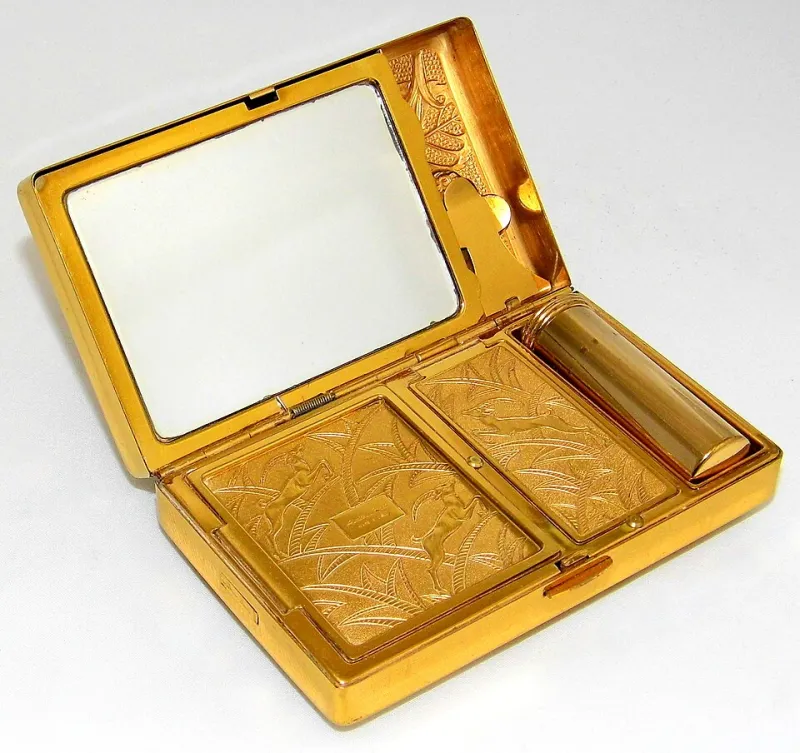
The Little Chrome Box That Taught America Where to Put Its Junk

A Depression-era diner owner's obsession with cutting napkin waste accidentally launched a design revolution that would eventually reshape the inside of every American car. The humble chrome napkin dispenser and the modern center console have more in common than you'd ever guess.

The Patent Nobody Wanted to Keep: How a Swedish Engineer's Gift to the World Changed Every Car on the Road
Tech & Culture

The Patent Nobody Wanted to Keep: How a Swedish Engineer's Gift to the World Changed Every Car on the Road

In 1959, a Volvo engineer named Nils Bohlin invented the three-point seatbelt and convinced his company to hand the patent to every automaker on earth — for free. It's one of the most quietly radical decisions in automotive history, and almost nobody knows his name.

The Coin-Operated Box That Ate Downtown America: Oklahoma City's Accidental Urban Revolution
Tech & Culture

The Coin-Operated Box That Ate Downtown America: Oklahoma City's Accidental Urban Revolution

Oklahoma City installed the world's first parking meters in 1935 to solve a mundane traffic headache. What followed was six decades of unintended consequences — the birth of the parking lot economy, the slow death of the downtown shopping district, and a culture war over curb space that's still being fought today.

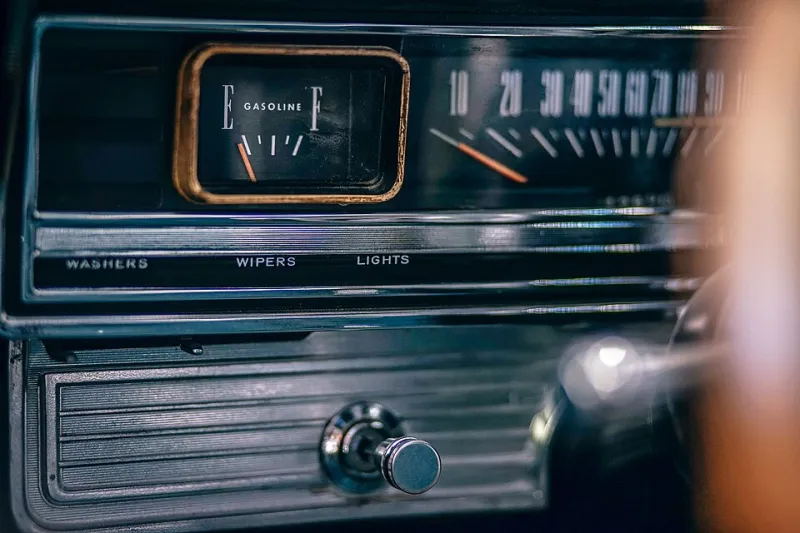
Red Lights at Midnight: The Wartime Cockpit Trick That Still Lives Behind Your Speedometer
Tech & Culture

Red Lights at Midnight: The Wartime Cockpit Trick That Still Lives Behind Your Speedometer

The soft glow behind your car's gauges didn't start in a design studio — it started in a World War II fighter cockpit, where the wrong color light could get a pilot killed. The story of how military engineers solved a vision problem at 400 mph quietly became the blueprint for every dashboard in America.

The Secret Sidewalk Language That Accidentally Wrote America's First Travel Guide
Tech & Culture

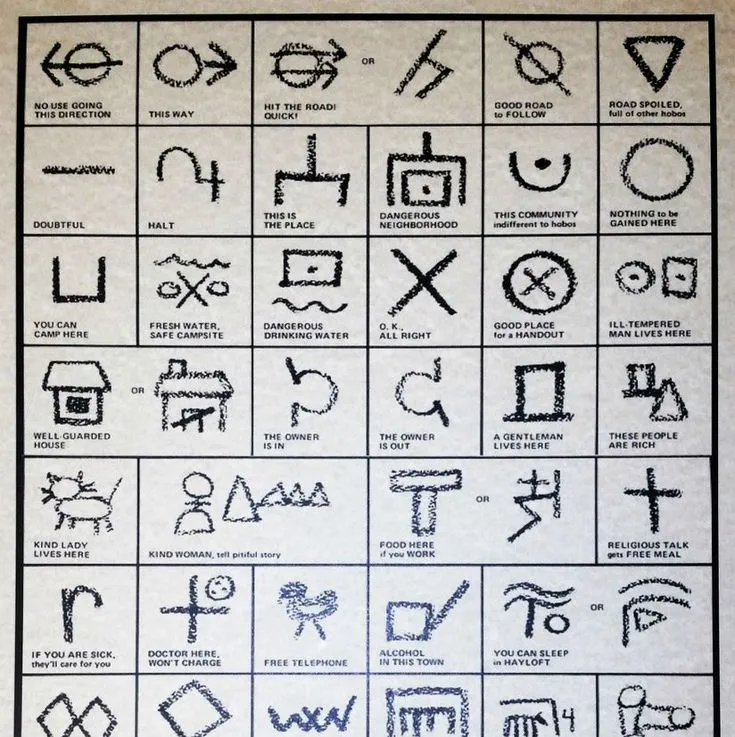
The Secret Sidewalk Language That Accidentally Wrote America's First Travel Guide

Long before Yelp reviews or AAA maps, a community of drifters and hitchhikers scratched coded symbols onto fence posts and curbstones to warn each other about what lay ahead on the road. Nobody planned for that underground network to shape how Americans think about long-distance travel — but it did.

How a Small-Town Inventor's Stolen Idea Put a Click in Every American Car
Tech & Culture

How a Small-Town Inventor's Stolen Idea Put a Click in Every American Car

The satisfying click of a turn signal lever is so familiar it barely registers anymore. But behind that mundane mechanical sound is a messy story of patent disputes, corporate borrowing, and a small-town engineer whose idea Detroit quietly absorbed and never properly credited. It's one of the more revealing chapters in the history of how the American car got built.

America's Most Suspicious Overnight Stop: How the Roadside Motel Went From Scandalous to Wholesome
Tech & Culture

America's Most Suspicious Overnight Stop: How the Roadside Motel Went From Scandalous to Wholesome

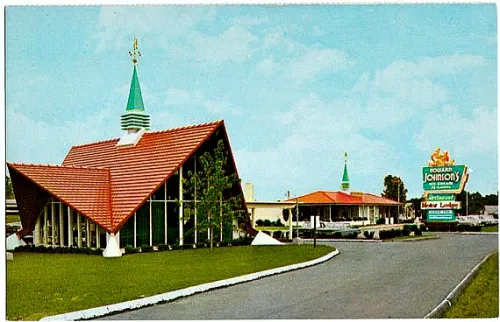
When the first motor courts started appearing along American highways in the 1920s, police departments lobbied to have them shut down and newspapers ran alarming stories about what was happening inside. Somehow, within a generation, those same roadside stops became the symbol of wholesome family road trip culture. The transformation is one of the stranger image rehabilitations in American history.

The Bureaucratic Brawl That Killed the Lincoln Highway and Gave You Route Numbers Instead
Tech & Culture

The Bureaucratic Brawl That Killed the Lincoln Highway and Gave You Route Numbers Instead

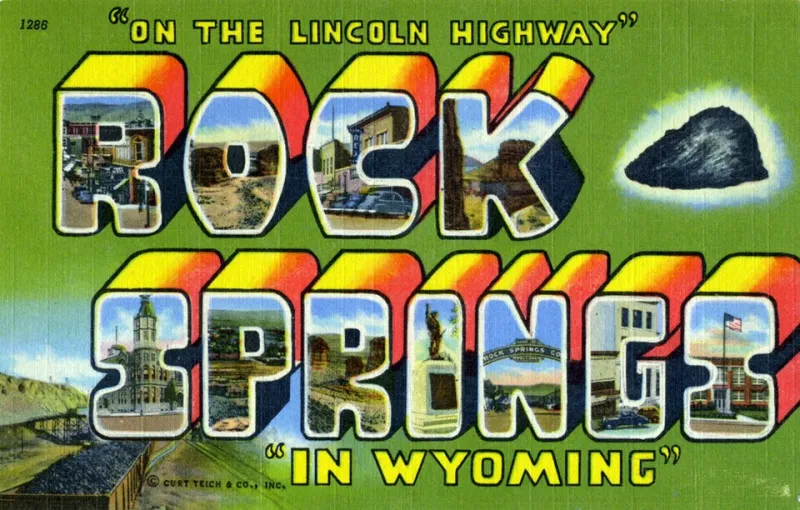
America's early highways had names like the Lincoln Highway and the Dixie Highway — grand, romantic, and completely impossible to navigate. The numbering system that replaced them didn't emerge from brilliant planning. It emerged from a political food fight that nearly tore the whole idea apart.

Why Every Car Horn Plays a Musical Note (And the Engineer Who Made Sure of It)
Tech & Culture

Why Every Car Horn Plays a Musical Note (And the Engineer Who Made Sure of It)

Before electric horns existed, drivers squeezed rubber bulbs and prayed pedestrians would notice. Then a handful of engineers decided that a warning sound was too important to leave ugly — and quietly turned automotive noise into a science.

Grease Monkey: The Surprisingly Dark Origin of America's Favorite Garage Nickname
Tech & Culture

Grease Monkey: The Surprisingly Dark Origin of America's Favorite Garage Nickname

The phrase 'grease monkey' sounds like harmless shop-floor slang, but it has roots in child labor, industrial machinery, and the brutal early days of American manufacturing. How a term born from exploitation became a badge of mechanical pride is a story worth knowing.

The Strip of Steel That Quietly Stopped a Million Crashes: Inside the Unlikely Story of the Highway Guardrail
Tech & Culture

The Strip of Steel That Quietly Stopped a Million Crashes: Inside the Unlikely Story of the Highway Guardrail

Before the 1950s, drifting off the edge of an American highway usually ended with a car rolling down an embankment and nobody to blame but gravity. The guardrail changed all of that — and its origin story is stranger and more hard-fought than you'd ever expect from a bent piece of steel.

Coast to Coast on a Wing and a Prayer: The Audacious Con That Became America's First Great Road
Tech & Culture

Coast to Coast on a Wing and a Prayer: The Audacious Con That Became America's First Great Road

Before the Interstate existed, before there were federal highway standards or road signs worth trusting, a group of tire salesmen and automobile enthusiasts declared that you could drive from New York to San Francisco — and then more or less dared America to try it. The Lincoln Highway was part vision, part hustle, and entirely ahead of its time.