The Winter Fumble That Freed You From Fighting With Car Keys
The Frozen Fingers That Changed Everything
Picture this: It's January 1982 in the French Alps, and Paul Lipschutz is standing in a parking lot, fumbling with his car keys in sub-zero temperatures. His fingers are numb, the lock is frozen, and he's cursing the basic human limitation that requires physical contact to open a car door.
 Photo: French Alps, via journeybeyondhorizon.com
 Photo: Paul Lipschutz, via bolerium.cdn.bibliopolis.com
Lipschutz wasn't just any frustrated driver—he was an engineer at Renault, and this moment of winter misery would accidentally birth the technology that now lets you unlock your car from fifty feet away.
When Convenience Was a Luxury Problem
The 1980s automotive world was obsessed with digital everything. Cars were getting computer-controlled fuel injection, electronic ignition, and dashboard displays that looked like something from Star Trek. But somehow, opening your car still required the same metal-on-metal action humans had been doing since the Model T.
Lipschutz's solution seemed almost comically simple: What if your car could recognize you were coming and unlock itself?
Working with a small team at Renault, he developed the first automotive keyless entry system. The technology borrowed heavily from garage door openers—a radio frequency transmitter that could send a coded signal to a receiver in the car. Press a button, car unlocks. Revolutionary in its simplicity.
The Luxury Experiment Nobody Expected to Want
In 1983, Renault introduced the Fuego Turbo with optional "hands-free" entry. The marketing was tentative—this was positioned as a premium convenience feature for people who had everything else. The assumption was that keyless entry would remain a niche luxury, like heated seats or power windows had been just a decade earlier.
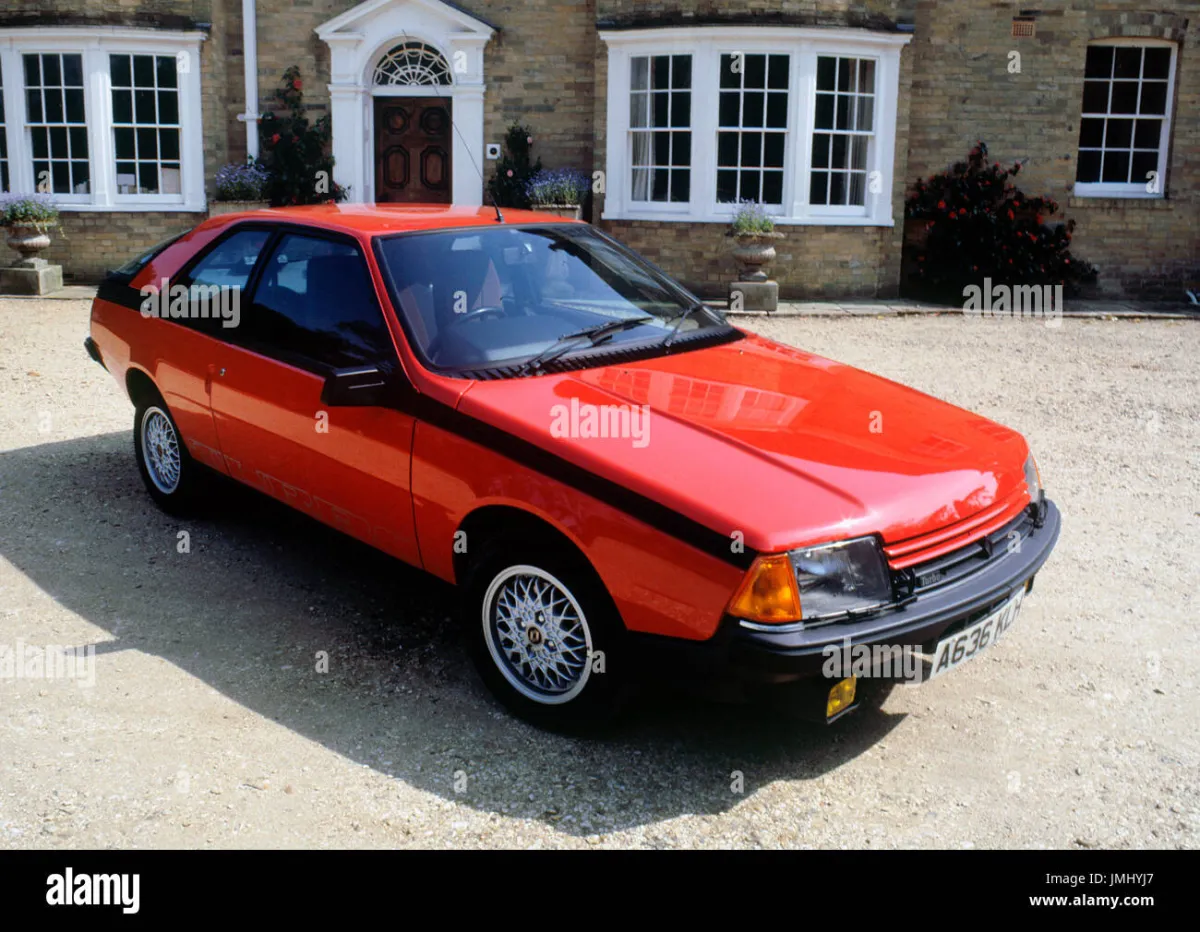 Photo: Renault Fuego Turbo, via c8.alamy.com
American automakers watched with polite skepticism. The technology was expensive, potentially unreliable, and solved what many executives considered a "non-problem." After all, people had been using keys for centuries. Why fix what wasn't broken?
The Unexpected Behavior Revolution
But something funny happened when real people started using keyless entry. It wasn't just convenient—it fundamentally changed how they interacted with their cars.
Drivers began approaching their vehicles differently. Instead of digging for keys while walking across a parking lot, they could unlock their car while still twenty feet away. Parents carrying groceries and children could pop the trunk without setting everything down. People felt safer in parking garages because they didn't have to stand vulnerable at their car door, fumbling with a key ring.
The technology created behaviors nobody had predicted. Suddenly, the physical act of "unlocking your car" became separated from "getting in your car." This seemingly minor shift had major psychological effects—cars began feeling more responsive, more intelligent, more like partners than machines.
When Thieves Got Smart Too
By the early 1990s, American automakers realized they'd underestimated consumer demand. Ford introduced keyless entry on the Lincoln Town Car in 1986, and by 1995, it was available across most of their lineup. General Motors and Chrysler quickly followed.
But the technology created an unexpected problem: a new generation of car theft. Traditional car thieves relied on breaking windows or jimmying locks. Keyless entry introduced "signal amplification" theft—criminals could use devices to capture and replay the radio signals from key fobs, essentially creating digital copies of your keys.
The automotive industry found itself in an arms race with criminals, constantly updating encryption and signal protocols to stay ahead of increasingly sophisticated thieves.
The Death of the Physical Key
Today's "keyless entry" has evolved far beyond Lipschutz's original button-pressing system. Modern cars detect your key fob's proximity and unlock automatically when you grab the door handle. Some vehicles start with the push of a button, never requiring you to insert a physical key anywhere.
The technology that began as a solution to frozen fingers has essentially made the traditional car key obsolete. Most new car buyers under 30 have never experienced the ritual of manually unlocking a car door—a practice that was universal for nearly a century of automotive history.
The Convenience That Became Essential
What started as Paul Lipschutz's personal frustration with winter weather accidentally rewrote the fundamental relationship between Americans and their cars. Keyless entry joined the ranks of technologies that seem obvious in hindsight but required someone to imagine a world that didn't yet exist.
Today, trying to sell a new car without keyless entry would be like trying to sell one without air conditioning or power steering. A convenience feature born from one engineer's cold fingers became so embedded in American driving culture that we can't imagine cars without it.
That's the funny thing about accidental inventions—sometimes the best solutions come from people who weren't trying to revolutionize anything. They were just trying to get into their car without freezing their fingers off.