When One Mother's Fury Rewrote Every Drunk Driving Law in America
The Phone Call That Changed Everything
May 3, 1980, started like any other Saturday for Candy Lightner. Her 13-year-old daughter Cari was walking to a church carnival in Fair Oaks, California, when a drunk driver plowed into her from behind. The driver had been arrested for drunk driving just two days earlier. He was still legally drunk when he killed Cari.
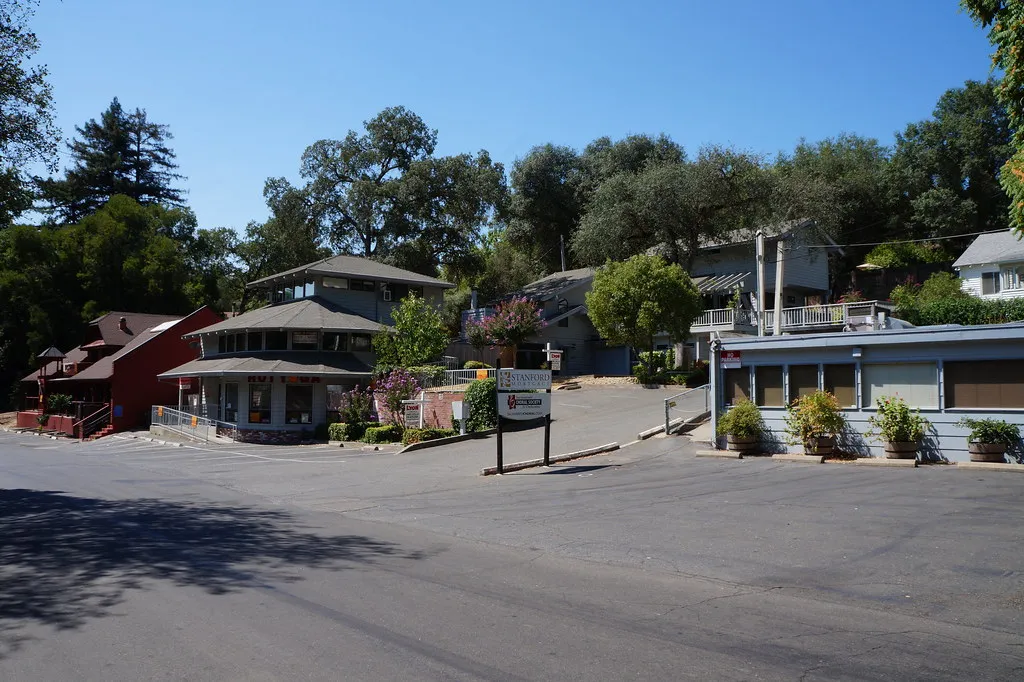 Photo: Fair Oaks, California, via farm1.staticflickr.com
When Lightner learned that her daughter's killer might receive nothing more than a fine and a few months in jail — if that — she made a decision that would reshape American roads forever.
"I promised myself on the day of Cari's death that I would fight to make this needless homicide count for something positive in the years ahead," Lightner later wrote. What started as one grieving mother's rage became the most successful grassroots traffic safety campaign in American history.
America's Drunk Driving Problem Was Worse Than Anyone Admitted
In 1980, drunk driving was barely treated as a crime. Most states had blood alcohol limits of 0.15% — nearly twice today's standard. First-time offenders typically paid a small fine and went home the same day. Repeat offenders faced minimal jail time, and many judges viewed drunk driving as a harmless mistake rather than dangerous criminal behavior.
The statistics were staggering: drunk driving killed 25,000 Americans annually — more than the entire Vietnam War. Yet culturally, having "one too many" before driving home was considered a minor social transgression, like jaywalking or speeding.
"Nobody took it seriously," recalls former National Highway Traffic Safety Administration official Chuck Hurley. "Drunk driving was treated like a traffic ticket, not like the violent crime it actually was."
Building a Movement From Scratch
Lightner founded Mothers Against Drunk Driving (MADD) four months after Cari's death, operating from her kitchen table with a borrowed typewriter. She had no political experience, no legal background, and no money — just fury and determination.
 Photo: Mothers Against Drunk Driving, via www.charities.org
Her timing was perfect. The early 1980s saw a growing awareness of victim's rights, and Lightner's message resonated with parents across America who had never considered drunk driving a personal threat. MADD's genius was making the issue emotional rather than statistical.
"Before MADD, drunk driving was discussed in terms of highway safety and engineering," explains traffic safety historian Peter Norton. "Candy Lightner reframed it as a crime against families and children."
Within two years, MADD had chapters in 47 states. Lightner appeared on television constantly, always carrying a photo of Cari and speaking in plain language about preventable tragedy.
The Legislative Avalanche
MADD's first major victory came in 1984 when President Reagan signed legislation threatening to withhold federal highway funds from states that didn't raise their drinking age to 21. Every state complied within three years.
But that was just the beginning. MADD pushed for tougher penalties, mandatory jail time for repeat offenders, and administrative license suspension — allowing police to immediately confiscate licenses from drunk drivers without waiting for court proceedings.
The organization pioneered victim impact statements, forcing judges to hear directly from families destroyed by drunk driving. They lobbied for sobriety checkpoints, ignition interlock devices, and lower blood alcohol limits.
By 1990, drunk driving fatalities had dropped by 30% despite a growing population and more cars on the road.
Changing Hearts and Minds
MADD's most profound impact wasn't legislative — it was cultural. The organization transformed drunk driving from a socially acceptable mistake into a moral failing.
"Friends don't let friends drive drunk" became more than a slogan; it became a social obligation. Designated drivers went from nonexistent to standard practice. Bartenders started cutting off intoxicated customers. Party hosts began collecting car keys.
"MADD didn't just change laws," notes sociologist Joseph Gusfield. "They changed what it meant to be a responsible American adult."
The shift was dramatic and permanent. Today, drunk driving carries genuine social stigma. Celebrities apologize profusely for DUI arrests. Companies fire employees for drunk driving convictions. What was once dismissed as a "boys will be boys" mistake is now viewed as inexcusably reckless.
The Unintended Consequences
MADD's success came with complications. Critics argue the organization became overzealous, pushing for increasingly harsh penalties that disproportionately affected working-class offenders. Some claim MADD contributed to America's mass incarceration problem by turning a public health issue into a criminal justice one.
The movement also sparked debate about personal responsibility versus systemic solutions. While MADD focused on deterring individual behavior through punishment, some experts argued for better public transportation, ride-sharing services, and treatment for alcoholism.
Lightner herself left MADD in 1985, concerned the organization was becoming too focused on prohibition rather than drunk driving prevention.
A Legacy Written in Lives Saved
Despite controversies, the numbers don't lie. Drunk driving deaths dropped from 25,000 annually in 1980 to around 10,000 today — even as the population grew by 100 million people and vehicle miles traveled doubled.
The National Highway Traffic Safety Administration estimates that MADD-inspired changes have saved over 350,000 lives since 1980. That's more Americans than died in World War I.
Every time someone hands over their keys after drinking, calls an Uber instead of driving, or thinks twice about that third beer, they're participating in a cultural revolution that began with one mother's refusal to accept that her daughter died for nothing.
Candy Lightner proved that individual tragedy, channeled into collective action, could reshape an entire nation's behavior. In a country built on cars and personal freedom, she convinced Americans to voluntarily limit both in the name of saving lives.
That may be the most remarkable backstory of all.