The Courtroom Verdict That Secretly Decided How Fast Your Car Could Go

When Cars Had No Speed Limit
In 1908, Henry Ford's Model T puttered along at a maximum of 45 miles per hour. But by the 1920s, American automakers were in an arms race of horsepower, building engines that could propel family sedans well over 100 mph. There were no regulations, no industry standards, and no legal limits on how much power you could stuff under the hood of a car sold to the general public.
 Photo: Henry Ford, via i.pinimg.com
That changed not because of government regulation or safety concerns, but because of a lawsuit that most Americans have never heard of — one that quietly redrew the boundaries between family transportation and racing machine.
The Case That Changed Everything
The pivotal moment came in 1931 with Morrison v. Packard Motor Company, a liability case that barely made the newspapers but sent shockwaves through Detroit. James Morrison, a Chicago businessman, had purchased a Packard sedan equipped with the company's most powerful engine. During what he claimed was normal driving, Morrison lost control of the vehicle, crashed through a storefront, and killed two pedestrians.
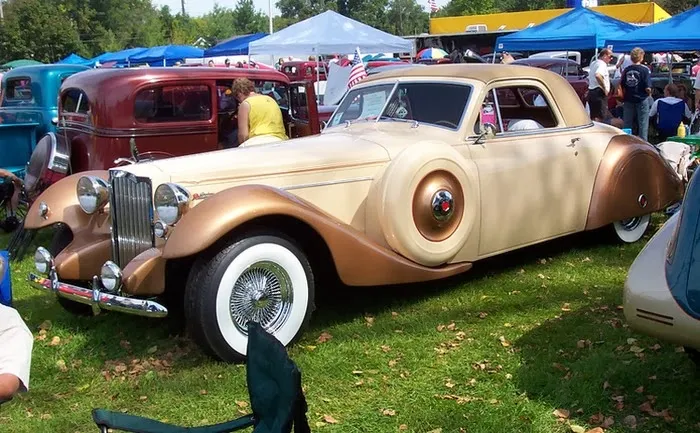 Photo: Packard Motor Company, via 2.bp.blogspot.com
Morrison's lawyers argued that Packard had created an "unreasonably dangerous product" by selling a family car with racing-level performance to an untrained driver. The jury agreed, awarding massive damages and establishing a legal precedent that terrified every automaker in America.
"The Morrison case basically said that if you sell someone a car that's too powerful for normal use, and they hurt someone with it, you're liable," explains legal historian Dr. Patricia Hendricks. "Overnight, every car company in America realized they needed to think twice about horsepower."
The Insurance Industry Steps In
The legal threat was real, but the financial pressure was immediate. Insurance companies, spooked by the Morrison verdict, began adjusting their rates based on vehicle performance. Cars with high-performance engines suddenly became expensive to insure — not just for the owner, but for the manufacturer's liability coverage.
By 1935, major insurers were quietly pressuring automakers to voluntarily limit engine output in passenger vehicles. The message was clear: build cars that are too fast, and we'll price you out of the market.
"The insurance industry basically drew an invisible line in the sand," notes automotive economist Dr. Michael Chen. "They never said 'don't build powerful cars,' but they made it financially painful to do so."
The Gentleman's Agreement
What emerged was an unwritten understanding between Detroit automakers, insurance companies, and liability lawyers. Family cars would be limited to "reasonable" levels of performance — enough power for highway driving and occasional passing, but not enough to easily exceed safe speeds.
The exact numbers were never officially codified, but the industry settled on rough guidelines: passenger cars shouldn't exceed one horsepower per 20-25 pounds of vehicle weight. Anything beyond that was considered "performance" territory and would be marketed differently, sold with warnings, and insured at premium rates.
This wasn't government regulation — it was pure market pressure, shaped by legal liability and insurance mathematics.
The Muscle Car Loophole
The gentleman's agreement held for decades, until automakers discovered a clever workaround in the 1960s. Instead of building more powerful family cars, they created an entirely new category: the "muscle car."
Vehicles like the Pontiac GTO, Chevrolet Camaro, and Dodge Charger were marketed specifically as performance vehicles, not family transportation. They came with warnings, required special insurance, and were sold with the understanding that buyers knew exactly what they were getting.
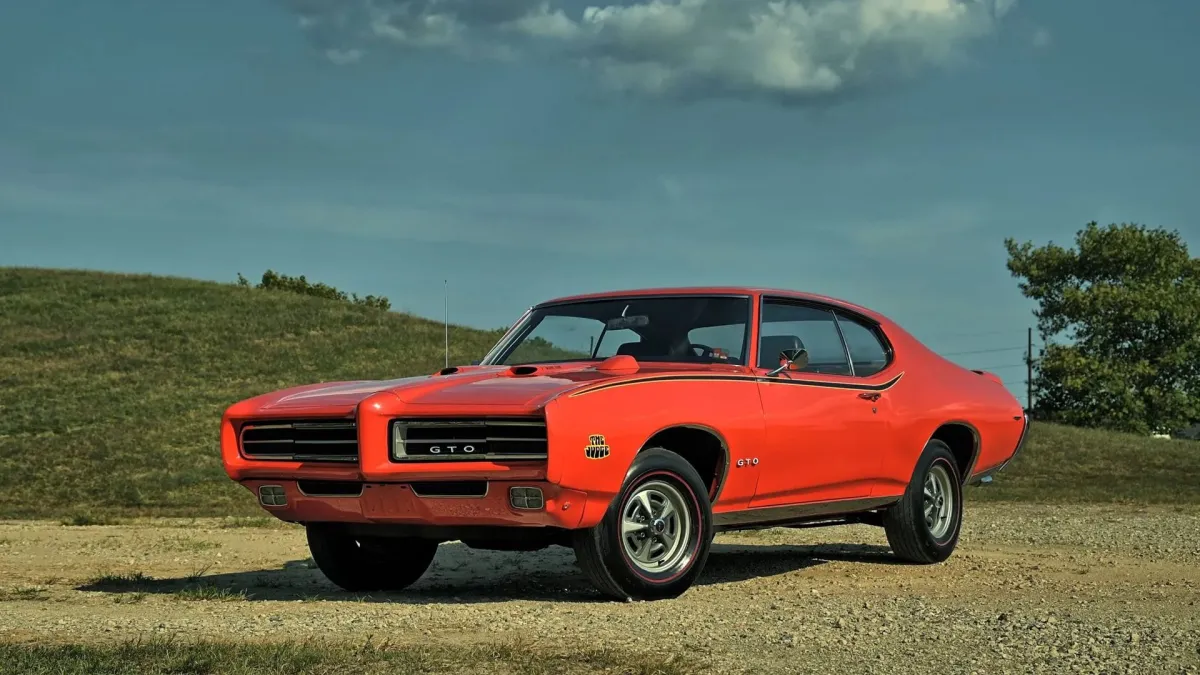 Photo: Pontiac GTO, via static1.hotcarsimages.com
"The muscle car was basically Detroit's way of saying, 'We're not selling this to your grandmother — we're selling it to people who want to go fast,'" explains Dr. Hendricks. "It was a legal and marketing distinction that let them build powerful engines while avoiding liability."
The Modern Legacy
Today's automotive landscape still bears the fingerprints of that 1931 lawsuit and the insurance industry pressure that followed. Modern family sedans and SUVs are certainly more powerful than their 1930s ancestors, but they're also much heavier and loaded with safety features that limit their practical performance.
Meanwhile, true high-performance vehicles are sold through separate channels, with extensive disclaimers, special insurance requirements, and sometimes even mandatory training programs. The legal and financial framework established in the 1930s still shapes what automakers are willing to sell to everyday drivers.
The Invisible Hand of Liability
The Morrison case and its aftermath reveal something important about American automotive history: the cars in our driveways weren't shaped primarily by engineering capability or consumer demand, but by lawyers and actuaries calculating risk.
Every time you wonder why your family sedan doesn't have the same power-to-weight ratio as a sports car, or why high-performance vehicles cost so much to insure, you're seeing the legacy of a forgotten lawsuit that taught Detroit to think twice about putting racing engines in grocery-getter cars.
The speed limit on your car wasn't set by engineers or safety regulators — it was decided in a courtroom ninety years ago, by a jury that ruled some cars are simply too dangerous for ordinary drivers. That verdict still echoes in every vehicle sold in America today.