From Fighter Pilot to Family Sedan: The Military Secret That Warmed America's Commute
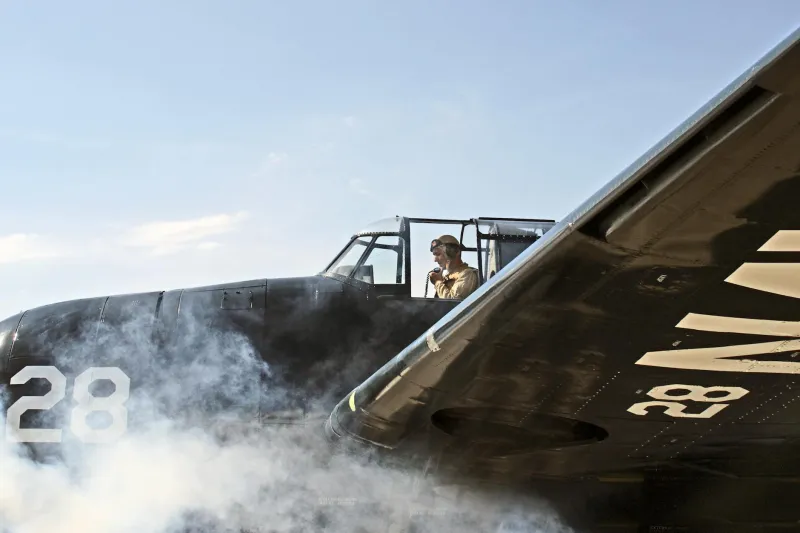
Death by Freezing at 30,000 Feet
In 1943, American bomber crews flying missions over Europe faced an enemy that had nothing to do with German fighters: the killing cold of high-altitude flight. At 30,000 feet, cockpit temperatures routinely dropped to 60 degrees below zero. Pilots were literally freezing to death in their seats, unable to maintain the fine motor control needed to fly their planes safely.
The military's solution was ingenious and desperate: electrically heated flight suits that kept pilots warm enough to function. What they didn't realize was that they were pioneering technology that would eventually end up in millions of American driveways.
Swedish Innovation Meets American Roads
The heated seat's journey from military necessity to civilian comfort took an unexpected detour through Scandinavia. In the 1960s, Swedish automaker Saab — a company that had started by building fighter jets — began experimenting with heated seats for their civilian cars.
Swedish winters made heated seats less luxury than survival equipment. Saab engineers, many of whom had worked on military aircraft, adapted the heating technology they knew from aviation. Early versions were crude: simple resistance wires threaded through seat cushions, powered by the car's electrical system.
"Saab basically took the heating elements from military flight gear and figured out how to make them work in a car seat," explains automotive historian Dr. Robert Lindberg. "They weren't trying to create a luxury feature — they were trying to keep Swedish drivers from freezing during their commute."
The Luxury That Nobody Wanted
When heated seats first appeared in American cars in the early 1970s, they were met with skepticism bordering on ridicule. Americans saw them as an expensive solution to a problem that didn't exist. Why pay extra for heated seats when you could just run the heater?
The early systems were notoriously unreliable. Heating elements would burn out, creating uncomfortable hot spots. Wiring would short out, sometimes smoking or sparking. More than one driver discovered that heated seats could literally burn holes in their clothing.
"The first generation of heated seats in American cars was basically experimental military technology being tested on unsuspecting consumers," notes Dr. Lindberg. "It took years to work out the bugs."
The Gradual Conquest
Heated seats gained traction slowly, starting with luxury brands that could afford to perfect the technology. Mercedes and BMW refined the heating elements and control systems throughout the 1980s, making them reliable enough for everyday use.
The breakthrough came when manufacturers realized heated seats weren't just about warmth — they were about comfort and perceived luxury. Marketing shifted from practical necessity to indulgent upgrade. Suddenly, heated seats became a symbol of automotive sophistication.
The Tipping Point
By the 1990s, heated seats had moved beyond luxury cars into mainstream vehicles. Improved manufacturing made them cheaper to produce, and Americans had grown accustomed to automotive creature comforts. What had once seemed unnecessary now felt essential.
The final push came from an unexpected source: the explosion of SUVs and longer commutes. As Americans spent more time in their cars, features that enhanced comfort became selling points. Heated seats went from novelty to standard equipment in surprisingly short order.
From Cockpit to Carpool Lane
Today, heated seats are so common that their absence feels like a downgrade. The technology that once kept bomber pilots alive at lethal altitudes now helps suburban parents stay comfortable during school pickup runs.
Modern heated seats bear little resemblance to their military ancestors, but the core principle remains the same: electric resistance heating elements embedded in fabric, controlled by thermostats and timers. The main difference is sophistication — today's systems can maintain precise temperatures and even heat different parts of the seat independently.
The Forgotten Connection
Most drivers who settle into their heated seats on cold mornings have no idea they're benefiting from technology developed to keep World War II aviators from freezing to death. It's a perfect example of how military innovation quietly filters into civilian life, often taking decades to complete the journey.
The heated car seat represents something uniquely American: the transformation of battlefield necessity into suburban convenience. What started as life-saving equipment for bomber crews became an expected amenity for anyone willing to check the right option box at the dealership.
Next time you flip that heated seat switch on a cold morning, remember the pilots who first tested this technology while dodging enemy fire at 30,000 feet. Your comfortable commute is their legacy.