The Splash Guard That Became a Statement: How Mudflaps Conquered American Trucking Culture
When Gravel Was the Enemy
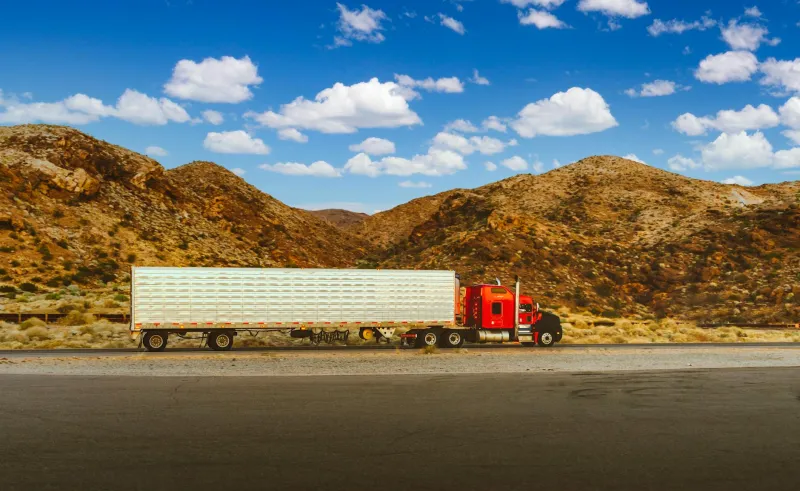
In the early days of American trucking, following a loaded semi down a dirt road was like driving through a constant meteor shower. Loose gravel, chunks of mud, and road debris would fly off truck tires at highway speeds, cracking windshields and denting hoods of any car unlucky enough to be traveling behind.
By the 1930s, insurance companies were paying out thousands of dollars in damage claims from "following too close" accidents that were really just the inevitable result of unprotected truck tires flinging half the roadway at innocent motorists. Something had to give.
The Rubber Solution
Truck manufacturers initially tried metal splash guards, but these created their own problems—they were heavy, prone to rust, and made an ungodly racket when they flapped against the truck frame. The breakthrough came when someone realized that the same rubber technology being used for tires could be adapted into flexible flaps that would hang behind each wheel.
These early mudflaps were purely utilitarian: thick black rubber rectangles that did their job and nothing more. They protected other drivers from road spray and kept trucking companies' insurance premiums manageable. For nearly two decades, that's all anyone expected them to do.
When States Started Paying Attention
The real turning point came in the 1950s, when state highway departments began mandating mudflaps on commercial vehicles. What had been an optional safety feature suddenly became a legal requirement, with specific size and placement regulations that varied wildly from state to state.
California required mudflaps to extend within six inches of the ground. Texas said eight inches was fine. Some states mandated reflective strips, others didn't care about visibility. Truckers driving cross-country routes had to navigate a patchwork of mudflap laws that could turn a routine delivery into a legal nightmare.
The Chrome Revolution
Sometime in the 1960s, an unknown truck driver made a decision that would change mudflap history forever: instead of plain black rubber, he ordered his flaps with a chrome silhouette of a woman. Whether it was rebellion against boring safety equipment or just a way to personalize his rig, the idea caught fire.
Truck stops started stocking decorative mudflaps alongside the standard black ones. The chrome woman became the most recognizable design, but she was soon joined by eagles, flames, company logos, and every conceivable combination of patriotic imagery. What had been invisible safety equipment suddenly became the most visible part of many trucks.
The Cultural Takeover
By the 1970s, mudflaps had evolved far beyond their original purpose. They became a canvas for trucking culture, a way for drivers to express personality, politics, and professional pride. Refrigerated haulers displayed snowflakes. Livestock transporters chose horses or cattle. Owner-operators used their mudflaps like business cards, advertising their company name and phone number.
The phenomenon wasn't limited to long-haul truckers. Local delivery drivers, construction workers, and weekend warriors with pickup trucks all embraced decorative mudflaps as a way to signal their membership in blue-collar America. The mudflap had become a cultural marker as much as a safety device.
The Legal Backlash
Not everyone appreciated the mudflap's transformation into mobile art gallery. By the 1980s, some states were trying to regulate not just the size and placement of mudflaps, but their content as well. Complaints about "inappropriate" imagery led to attempted bans on certain designs, sparking First Amendment debates about commercial speech and artistic expression.
The controversy reached its peak when several states tried to ban the chrome woman silhouette entirely, arguing it was a distraction to other drivers. Truckers fought back, claiming their mudflaps were protected speech. The legal battles dragged on for years, with different courts reaching different conclusions about where safety regulations ended and censorship began.
Beyond the Chrome Woman
While the debates raged in courtrooms, mudflap culture kept evolving. LED lights were embedded in rubber flaps. Reflective materials turned safety equipment into light shows. Some truckers commissioned custom artwork that turned their mudflaps into rolling galleries.
The designs became more sophisticated too. Instead of simple silhouettes, mudflaps featured detailed graphics, company mascots, and elaborate scenes. Truck shows began holding mudflap competitions, with prizes for creativity, craftsmanship, and sheer audacity.
The Modern Mudflap
Today's mudflaps serve the same basic function they always have—protecting other vehicles from road debris—but they've also become one of the most enduring symbols of American trucking culture. The chrome woman remains the most recognizable design, but she's been joined by thousands of variations that reflect the diversity of people who make their living on the road.
Modern mudflaps incorporate advanced materials that last longer and perform better than their ancestors, but the cultural significance remains unchanged. They're still a way for drivers to personalize their rigs, advertise their services, and participate in a uniquely American form of mobile expression.
Why They Matter
The mudflap's evolution from safety requirement to cultural icon reveals something important about American automotive culture: given enough time and creativity, even the most mundane piece of equipment can become meaningful. What started as a simple solution to flying gravel became a canvas for identity, artistry, and rebellion.
Every time you see a truck with decorative mudflaps, you're witnessing the intersection of function and expression that defines so much of American car culture. The mudflap proves that utility and personality don't have to be mutually exclusive—sometimes the most practical solutions become the most personal statements.