The Cement Salesman's Crazy Dream: How America's First Coast-to-Coast Road Changed Everything
When America Had No Roads Worth Mentioning
In 1912, if you wanted to drive from New York to San Francisco, you couldn't. Not because cars weren't capable of the journey, but because there was literally no road connecting the East and West coasts. America had railroads, telegraph lines, and mail routes, but its road system was a chaotic patchwork of local dirt paths that rarely connected to anything useful.
Most "roads" were actually just wagon trails that turned to impassable mud whenever it rained. The few paved streets existed only in major cities, ending abruptly at the city limits where civilization gave way to rutted farm tracks. Long-distance automobile travel was considered either impossible or insane.
The Unlikely Partnership
Carl Fisher wasn't a highway engineer or government planner—he was a bicycle shop owner turned automotive entrepreneur who'd made his fortune selling headlights and building the Indianapolis Motor Speedway. In 1912, he had a wild idea: what if someone just connected all the existing roads and called it a highway?
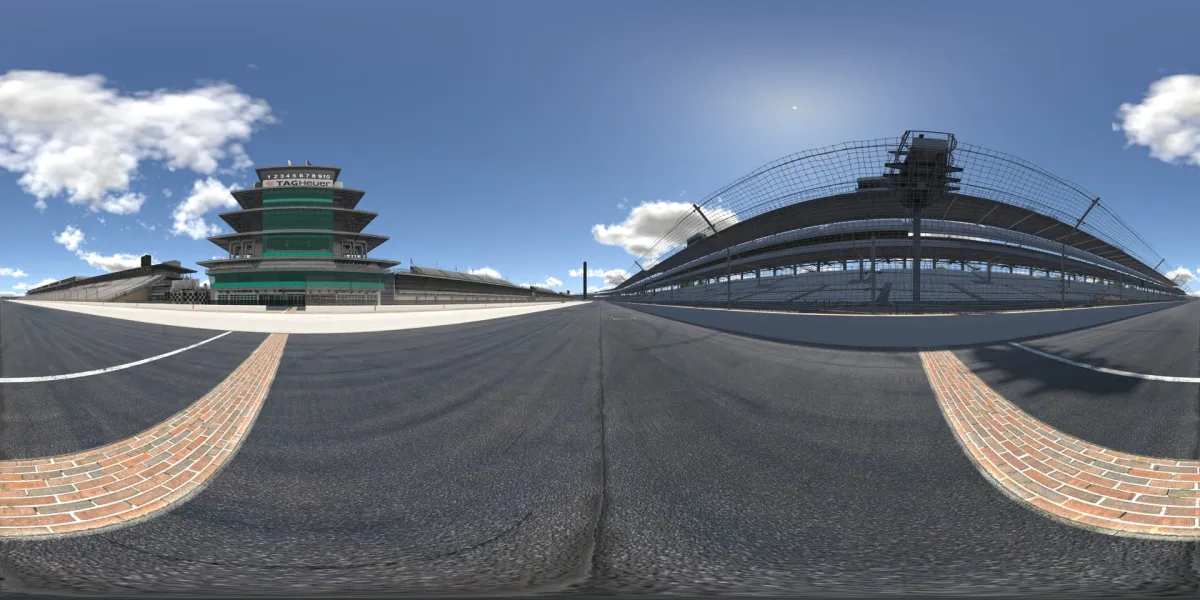 Photo: Indianapolis Motor Speedway, via irtrackwalk.com
Fisher partnered with Henry Joy, president of the Packard Motor Car Company, who brought both credibility and deep pockets to the project. Joy had been frustrated by the impossibility of demonstrating his cars' reliability when there were no reliable roads to test them on. Together, they hatched a plan that was equal parts visionary and completely amateur.
The Audacious Fundraising Campaign
Instead of waiting for government funding or engineering studies, Fisher and Joy decided to crowdfund America's first transcontinental highway. They called it the Lincoln Highway—partly to honor the president, mostly because they figured the name would help with donations.
Their pitch was beautifully simple: give us money, and we'll mark a route from Times Square to Lincoln Park in San Francisco. We'll put up signs, publish maps, and convince local communities to improve the road segments in their areas. It was highway construction by enthusiasm and peer pressure.
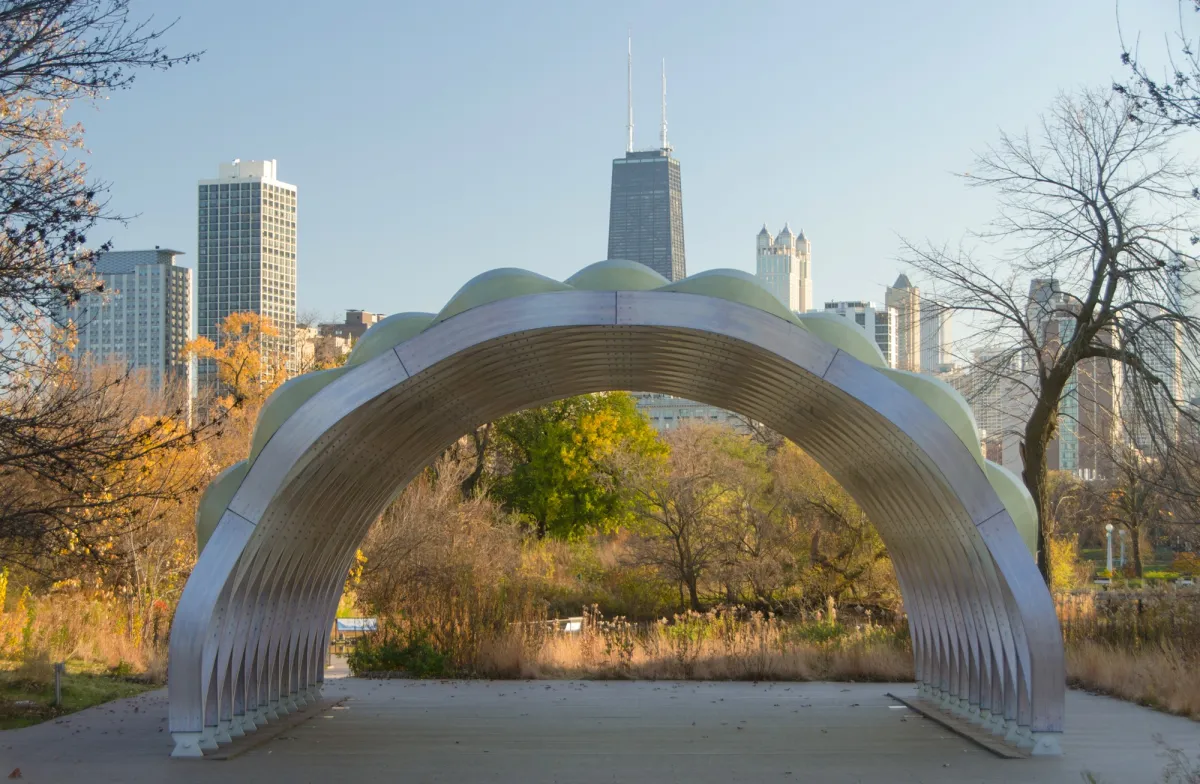 Photo: Lincoln Park, via s3.amazonaws.com
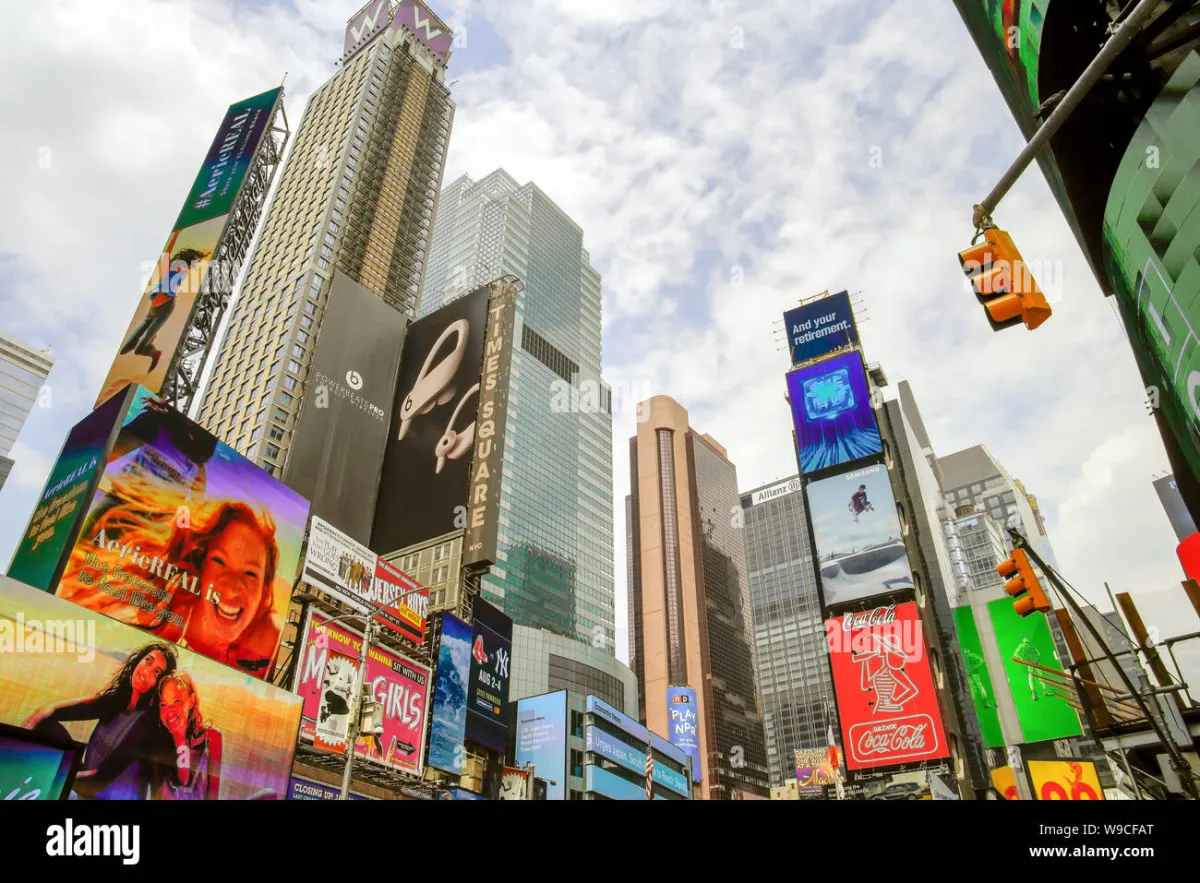 Photo: Times Square, via c8.alamy.com
The campaign worked better than anyone expected. Automobile manufacturers, tire companies, cement producers, and thousands of individual motorists contributed to what became known as the Lincoln Highway Association. By 1913, they'd raised enough money to officially designate America's first coast-to-coast automobile route.
The Route That Wasn't Really a Route
What Fisher and Joy created wasn't actually a highway in any modern sense. The Lincoln Highway was more like a suggestion—a collection of existing roads, farm paths, and wishful thinking stitched together with red, white, and blue telephone pole markers.
The "highway" wound through thirteen states, following whatever roads happened to exist rather than any logical engineering plan. Drivers might find themselves on paved city streets in Ohio, then suddenly bouncing through Nebraska cornfields on paths that were barely wider than a wagon. River crossings were handled by whatever ferries or bridges happened to be available.
Yet somehow, it worked. The Lincoln Highway gave Americans their first taste of long-distance automobile travel, and the experience was revelatory.
The Birth of Road Trip Culture
Almost immediately, the Lincoln Highway became more than transportation—it became adventure. Driving the full route took weeks and required the kind of preparation normally associated with Arctic expeditions. Motorists packed spare tires, extra gasoline, emergency food, and camping equipment.
Businesses along the route quickly adapted to serve these new "motor tourists." Farmers started selling gasoline from barrels in their front yards. General stores stocked automobile parts alongside groceries. Enterprising locals opened "motor camps"—the predecessors to motels—where travelers could park their cars and sleep in tents or basic cabins.
The Lincoln Highway created America's first roadside economy, and with it, the cultural framework for everything from Howard Johnson's to Holiday Inn.
The Unexpected Consequences
Fisher and Joy thought they were solving a transportation problem, but they accidentally triggered a cultural revolution. The Lincoln Highway proved that ordinary Americans wanted to travel by automobile, and they were willing to endure terrible roads and primitive accommodations for the freedom of going wherever they wanted, whenever they wanted.
This realization changed how the entire country thought about mobility. Before the Lincoln Highway, most Americans lived and died within a few miles of where they were born. The highway introduced the radical idea that distance was just an inconvenience to be overcome, not a permanent barrier to movement.
Local communities along the route discovered that automobile tourism could be more profitable than farming or manufacturing. Towns began competing to attract motorists with better roads, more services, and increasingly elaborate roadside attractions. The Lincoln Highway started the process that would eventually give America everything from Wall Drug to the World's Largest Ball of Twine.
The Government Finally Pays Attention
By 1920, the Lincoln Highway was carrying thousands of vehicles daily, and its success had inspired dozens of similar "named highway" projects across the country. The chaos of competing private highway associations finally convinced Congress that road building was too important to leave to bicycle shop owners and cement salesmen.
The Federal Aid Highway Act of 1921 established the numbered U.S. Highway System, which systematically replaced the named highways with a rational grid of numbered routes. The Lincoln Highway became U.S. Route 30 across most of its length, losing its romantic name but gaining federal funding and professional engineering.
The Legacy That Never Left
Though the Lincoln Highway was officially replaced by the Interstate Highway System in the 1950s, its cultural impact never faded. The highway established the template for American road trip mythology: the open road as escape route, the journey as destination, and the automobile as vehicle for personal transformation.
Every summer vacation, cross-country move, and weekend getaway traces back to Carl Fisher's crazy idea that America needed a road from ocean to ocean. The Lincoln Highway proved that Americans were ready to embrace automotive mobility decades before anyone in government realized it.
Today, you can still follow much of the original Lincoln Highway route, though it's now a patchwork of interstate highways, state routes, and local roads. Historical markers commemorate the path, and Lincoln Highway associations in various states work to preserve the memory of America's first transcontinental road.
Why It Still Matters
The Lincoln Highway's greatest achievement wasn't connecting New York to San Francisco—it was proving that Americans wanted to be connected. The highway demonstrated that mobility wasn't just about getting from point A to point B; it was about the possibility of getting anywhere at all.
That possibility, first glimpsed on a ramshackle collection of dirt roads and ferry crossings in 1913, became the foundation for everything we now consider normal about American life: suburban sprawl, chain restaurants, national retail brands, and the assumption that anywhere in the country is just a road trip away.
The cement salesman's dream became America's reality, one mile marker at a time.