Detroit's Biggest Color Mistake Became America's Boldest Car Statement
The Color That Made Executives Nervous
In 1969, a Chrysler paint chemist named John Herlitz mixed up a batch of what would become the most controversial color in automotive history. The shade was aggressive, unapologetic, and absolutely nothing like the safe blues, greens, and whites that dominated American driveways.
The color was officially called "Tor-Red," but everyone who saw it had the same reaction: "That's not red—that's orange. Really, really orange."
Chrysler executives took one look at Herlitz's creation and made what seemed like the obvious decision: absolutely not. Too flashy. Too risky. Too likely to sit on dealer lots while customers walked past to buy something in a sensible color.
What they didn't realize was that their "obvious" decision would become one of the automotive industry's most legendary missed opportunities.
When Playing It Safe Meant Playing It Boring
The late 1960s automotive landscape was dominated by corporate caution. Ford's bestsellers came in "Wimbledon White" and "Acapulco Blue." General Motors pushed "Fathom Green" and "Midnight Black." These weren't colors—they were marketing committee compromises, designed to offend nobody and excite nobody.
American car buyers were emerging from the conservative 1950s, but Detroit's color palettes hadn't gotten the memo. While fashion, music, and youth culture were exploding with bold choices, car showrooms remained trapped in a world of muted respectability.
Chrysler's rejection of Tor-Red wasn't unusual—it was standard operating procedure. Why risk alienating mainstream buyers for a color that might appeal to a handful of hot-rodders and rebels?
The Desperate Company That Said "Why Not?"
Enter Dodge's performance division, a small team tasked with building cars that could compete with Ford's Mustang and Chevrolet's Camaro. They were the underdogs, working with smaller budgets and less corporate support. When Herlitz showed them the rejected orange paint, they saw opportunity where others saw risk.
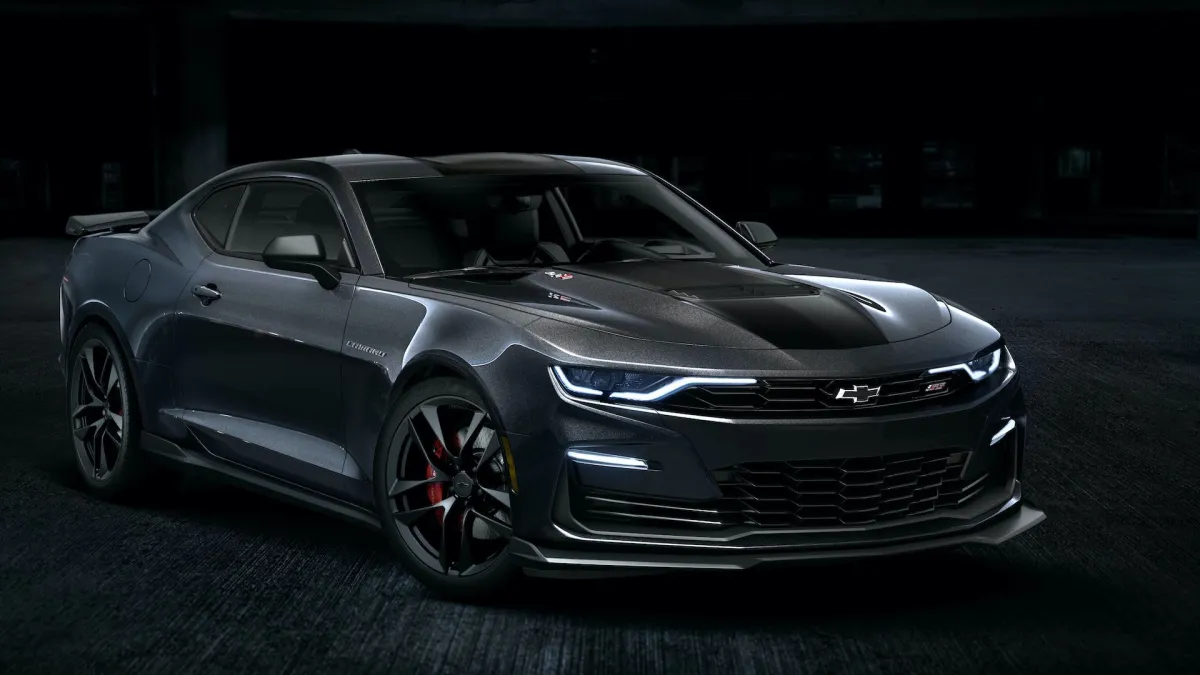 Photo: Chevrolet Camaro, via static1.hotcarsimages.com
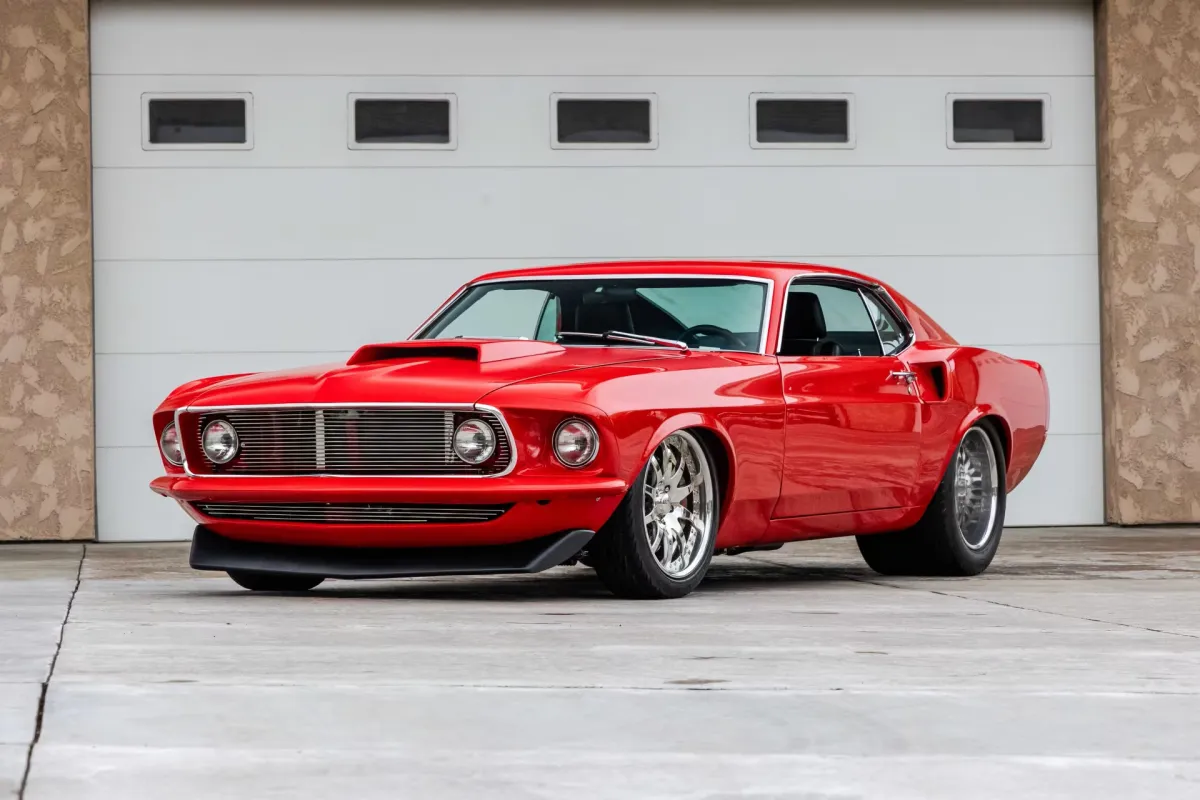 Photo: Ford Mustang, via www.mustangspecs.com
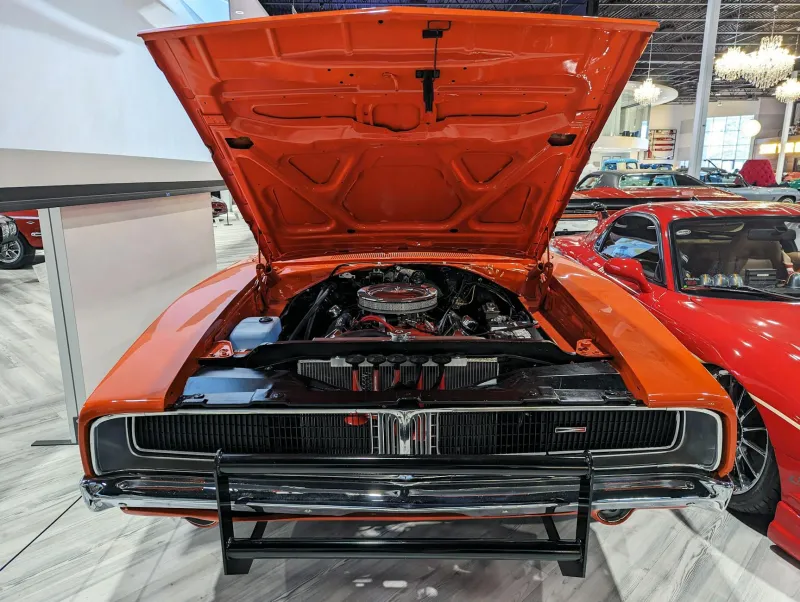
The Dodge team was developing what would become the 1970 Challenger, and they needed something to make their car stand out in increasingly crowded showrooms. Tor-Red—which they renamed "Hemi Orange"—wasn't just a color choice. It was a declaration of war against automotive blandness.
The decision wasn't made in a boardroom or focus group. According to company legend, it happened in a parking lot when a Dodge engineer saw the orange test car next to a row of conventional colors and said, "Now that's what a muscle car should look like."
The Color That Sold an Attitude
When the 1970 Dodge Challenger hit showrooms in Hemi Orange, something unexpected happened. The color didn't just attract attention—it attracted a specific kind of buyer who had been waiting for Detroit to acknowledge their existence.
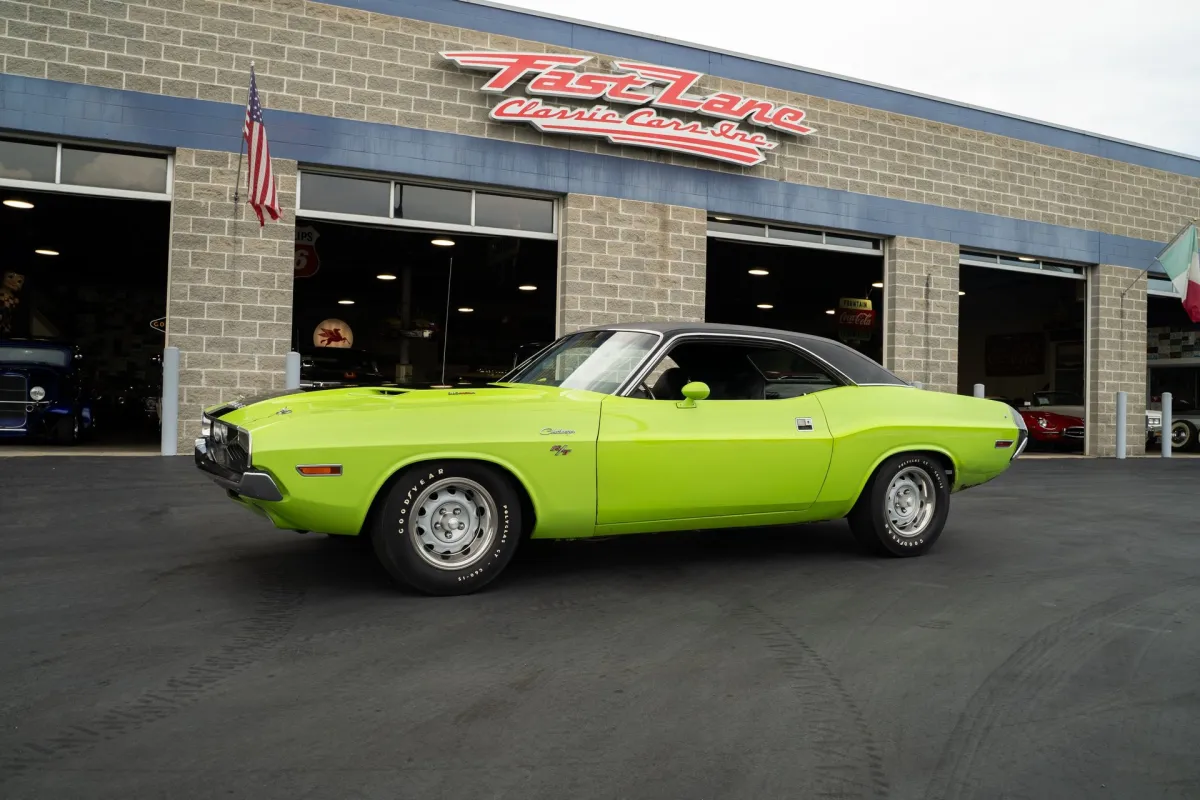 Photo: 1970 Dodge Challenger, via cdn.dealeraccelerate.com
These weren't the conservative family car buyers that dominated market research. They were younger, more willing to take risks, and hungry for vehicles that matched their personalities. Hemi Orange became a signal: "This car is not for people who worry about resale value."
Dodge dealers reported a phenomenon they'd never seen before. Customers would walk into showrooms, ignore everything else, and head straight for the orange car. Some buyers admitted they didn't even care about the car's specifications—they just wanted to own something that bold.
When the Industry Realized Its Mistake
By 1971, something remarkable happened: other manufacturers started "discovering" bright orange. Ford introduced "Grabber Orange" on the Mustang. Chevrolet countered with "Hugger Orange" for the Camaro. Plymouth, Dodge's corporate sibling, rolled out "Vitamin C Orange" across multiple models.
Sudenly, the color that had been "too risky" for mass production was being offered by every major automaker. The industry had learned a expensive lesson: sometimes the biggest risk is playing it safe.
Hemi Orange and its imitators created an entirely new category of automotive marketing. Cars weren't just transportation—they were personal statements. The color you chose said something about who you were and how you wanted the world to see you.
The Cultural Phenomenon Nobody Predicted
Bright orange muscle cars became icons of American rebellion, featured in movies, TV shows, and magazine covers. The color transcended automotive culture and became shorthand for a particular kind of 1970s confidence.
Dodge's desperate gamble had accidentally tapped into something deeper than market research could measure. Americans were ready to break free from conformity, and Hemi Orange gave them a way to do it every time they drove to work.
The success sparked a broader revolution in automotive color choices. The 1970s became the decade of "High Impact Colors"—Plum Crazy Purple, Sublime Green, and In-Violet—all descendants of that first rejected orange batch.
The Legacy of Taking Risks
Today, bright orange remains one of the most requested colors for sports cars and trucks. McLaren offers "Papaya Orange," Lamborghini has "Arancio Borealis," and Chevrolet still produces Corvettes in "Sebring Orange."
Every time you see a car in an audacious color, you're witnessing the legacy of John Herlitz's rejected paint batch and Dodge's desperate decision to embrace what everyone else feared.
The automotive industry learned that sometimes the colors executives hate are exactly the ones customers love. The mistake wasn't creating Hemi Orange—it was almost not building cars in it.
That's the funny thing about breakthrough moments in design. They often start with someone in a corporate meeting saying "That's too much"—and one brave company deciding that "too much" might be exactly what the world needs.