How One Small Town's Traffic Problem Accidentally Rewrote Every Road in America
The Street Where Kids Couldn't Play
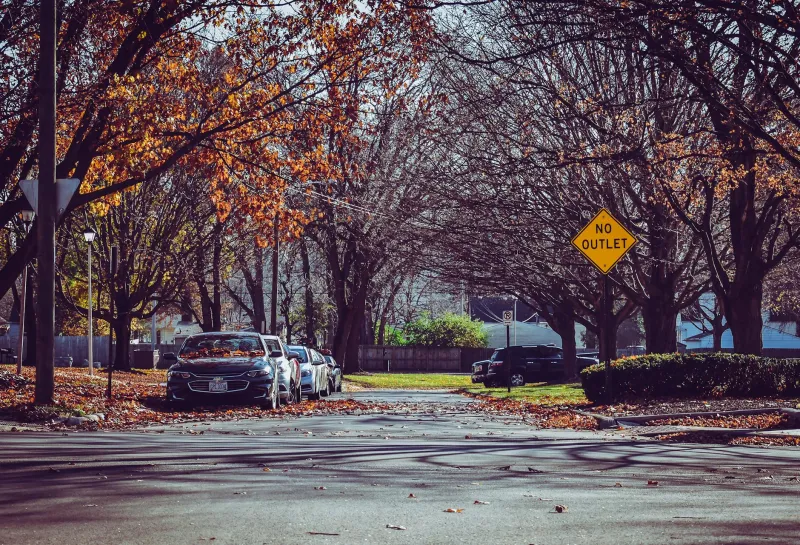
In 1953, Fairmount Avenue in Chatham, New Jersey was a nightmare for parents. The tree-lined residential street had become a shortcut for commuters racing between Route 24 and downtown, turning a quiet neighborhood road into a 35-mph speedway.
 Photo: Chatham, New Jersey, via cdn-assets.alltrails.com
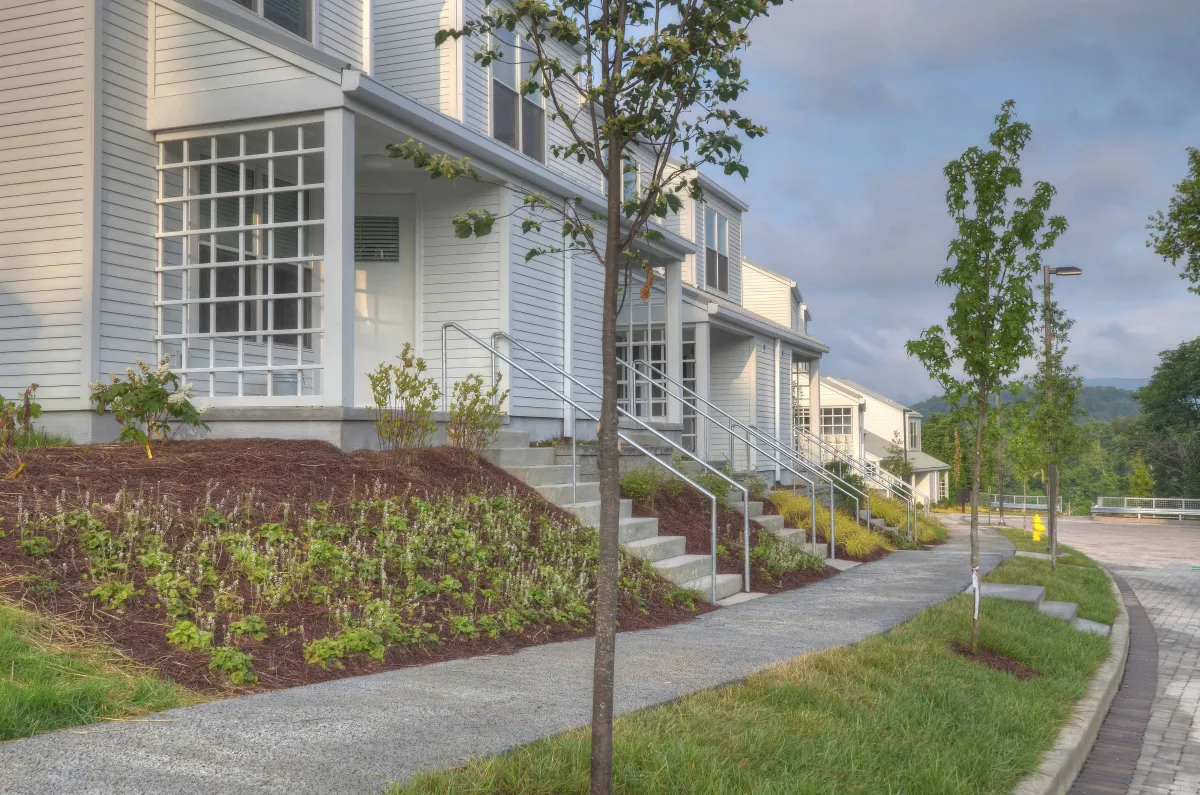 Photo: Fairmount Avenue, via www.hkarchitects.net
Local resident Arthur Compton, a civil engineer who worked for the Port Authority, watched cars blow past his house every morning and evening. His kids couldn't ride bikes on the sidewalk because drivers were cutting corners. Neighbors were afraid to back out of their driveways.
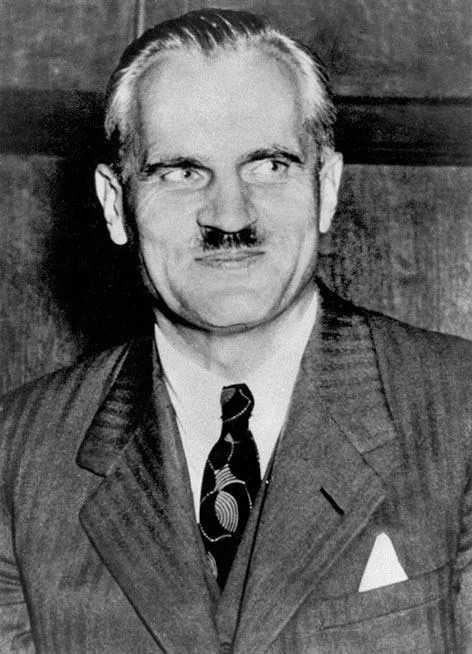 Photo: Arthur Compton, via alchetron.com
The township had tried everything: stop signs (ignored), lower speed limits (unenforced), and police patrols (too expensive). Compton decided the problem needed an engineering solution, not a regulatory one.
The Bump That Started Everything
Compton's idea was almost embarrassingly simple: if drivers won't slow down voluntarily, make it physically uncomfortable to speed. He proposed installing a small concrete ridge across Fairmount Avenue—just high enough to jolt speeding cars without damaging them.
The Chatham Township Council was skeptical. Nobody had ever heard of deliberately putting obstacles in roads. Wasn't the goal of road engineering to make driving smoother, not bumpier?
But Fairmount Avenue residents were desperate. In a heated town meeting, they voted to let Compton try his experimental "speed bump"—a term he coined because existing traffic engineering vocabulary didn't include deliberately slowing vehicles.
The Accidental Laboratory
Compton's first speed bump was a modest affair: four inches wide, two inches high, painted with yellow warning stripes. He installed it in front of his own house, making himself the test subject for his theory.
The results were immediate and dramatic. Cars that had been racing down Fairmount Avenue at 40 mph suddenly slowed to 15 mph approaching the bump. Drivers began taking alternate routes. Children appeared on bicycles for the first time in years.
Word spread through New Jersey's network of municipal engineers. Here was a cheap, effective traffic solution that required no ongoing enforcement. Townships across the state began calling Chatham, asking for Compton's "recipe."
When Federal Bureaucrats Got Interested
By 1958, speed bumps had appeared in dozens of New Jersey communities, each township creating their own version of Compton's design. Some were higher, some wider, some made of asphalt instead of concrete. The inconsistency created new problems—drivers never knew what to expect.
The Federal Highway Administration took notice. If this "traffic calming" concept was going to spread nationally, it needed standardization. They dispatched a team of engineers to study Chatham's original installation and dozens of copycat versions across the region.
What started as one frustrated father's DIY solution was about to become federal policy.
The Bureaucratic Battle Over Bumps
The FHA's speed bump study turned into a surprisingly contentious three-year project. Engineers argued about optimal height (too low was ineffective, too high damaged cars), width (narrow bumps were jarring, wide ones were expensive), and materials (concrete lasted longer, asphalt was easier to install).
Some traffic experts opposed speed bumps entirely, arguing they created more problems than they solved. Emergency vehicles were delayed, snow plows couldn't clear them effectively, and motorcycles found them dangerous.
But municipal engineers loved them. Speed bumps were cheap, required no electricity or maintenance, and actually worked. By 1961, over 200 American communities had installed some version of Compton's design.
The Standards That Shaped Every Road
In 1962, the Federal Highway Administration published "Technical Advisory T 5040.17: Guidelines for Speed Reduction Devices." The document established official specifications for speed bumps: exactly 3 inches high, 12 feet wide, with specific angles of approach and retreat.
More importantly, the advisory created the regulatory framework for all "traffic calming devices." The same bureaucratic process that standardized speed bumps eventually governed roundabouts, crosswalk designs, and pedestrian islands.
Compton's backyard experiment had accidentally created an entirely new category of federal infrastructure regulation.
The Ripple Effect Across America
Once speed bumps had federal standards, they exploded across suburban America. Shopping center parking lots installed them to control traffic flow. School zones used them to protect children. Hospital campuses employed them to create quiet zones.
The concept evolved beyond simple speed control. "Traffic calming" became a planning philosophy, leading to deliberate road designs that prioritized pedestrians and neighborhoods over vehicle throughput.
Modern features like chicanes, raised crosswalks, and narrow lane markings all trace their regulatory lineage back to Compton's original Fairmount Avenue speed bump.
The Local Solution That Became National Law
Today, every speed bump in America is built according to specifications that originated from Arthur Compton's 1953 frustration with speeding commuters. The Federal Highway Administration's Manual on Uniform Traffic Control Devices—the bible of American road design—dedicates an entire chapter to "traffic calming devices" that wouldn't exist without one small-town engineer's DIY solution.
The standardization process that began with Chatham's speed bump became the template for how local traffic innovations spread nationally. When communities today experiment with new crosswalk designs or intersection layouts, they're following the same path from local problem to federal standard.
The Neighborhood That Changed How America Drives
Fairmount Avenue in Chatham still has speed bumps—newer versions built to the federal standards that originated on that very street. The commuter shortcut problem was solved decades ago, but the solution outlived the problem by generations.
Compton died in 1987, probably never fully realizing that his weekend project had influenced the design of millions of roads nationwide. His simple idea—that roads should serve neighborhoods, not just traffic—became embedded in federal policy and municipal planning across America.
That's the strange power of practical solutions to local problems. Sometimes a frustrated parent's backyard experiment ends up in the Code of Federal Regulations, shaping how every American community manages traffic for the next seventy years.