The Train Wreck That Taught America Which Colors Mean Stop and Go
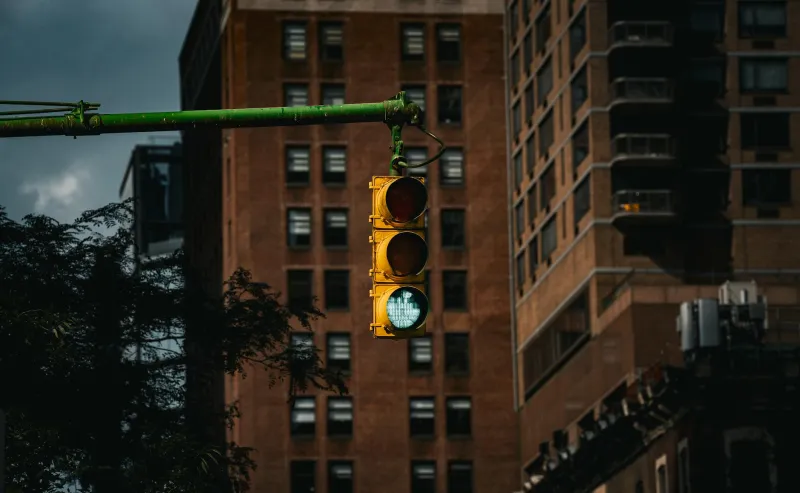
Every American driver instinctively knows that red means stop and green means go. We learn it so early that the connection feels natural, almost biological. But this color system that governs millions of daily decisions at intersections across the country wasn't always obvious—and the path to standardization involved fatal accidents, bitter engineering disputes, and a surprisingly contentious national debate.
When Railroad Colors Killed
The story begins not on city streets but on railroad tracks in the 1840s, when America's rapidly expanding rail network desperately needed a standardized signaling system. Early railroads used whatever colors seemed logical to individual engineers and companies, creating a patchwork of conflicting signals that proved deadly.
The most catastrophic example occurred in 1914 near Corning, New York, when an engineer misread a signal and caused a head-on collision that killed 21 people. The investigation revealed that different railroad companies in the same region were using contradictory color systems—what meant "proceed with caution" on one line meant "full stop" on another.
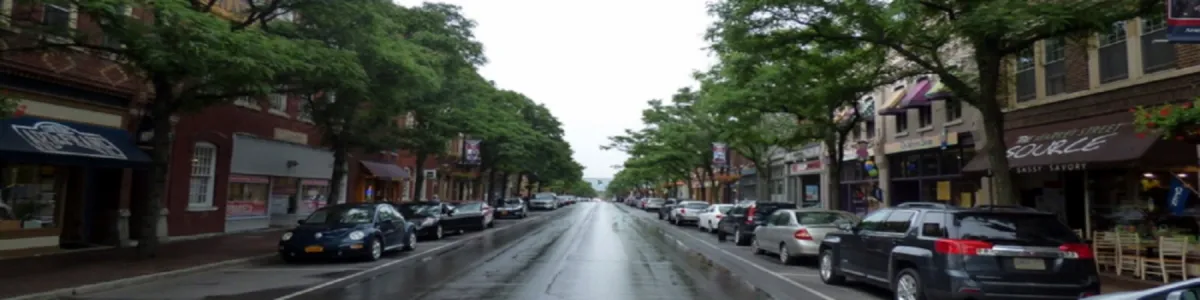 Photo: Corning New York city, via wikitravel.org
This wasn't an isolated incident. Railroad accident reports from the early 1900s are filled with similar stories of engineers who followed the color codes they'd learned on their home lines, only to discover too late that they were operating under different rules.
The Great Color Debate
When automobiles began sharing roads in significant numbers during the 1910s, city planners faced the same challenge that had plagued railroads: how to create a universal visual language for traffic control. The first electric traffic signals, installed in Cleveland in 1914, used red and green lights, but there was no consensus about what those colors should mean.
Some early systems put green at the top of the signal stack, reasoning that "go" should be the most prominent command. Others argued that red, being the most attention-grabbing color, belonged in the primary position regardless of its meaning. A few experimental installations tried blue, yellow, or even white lights for various commands.
The debate wasn't just aesthetic—it involved fundamental questions about human psychology and safety. Traffic engineers argued passionately about which colors the human eye could distinguish most easily, especially at night or in poor weather. They studied railroad accident reports, consulted with psychologists, and conducted primitive vision tests on volunteer drivers.
The Railroad Solution
By the 1920s, railroads had largely settled on a standard: red for stop, green for go, and yellow for caution. This system emerged not from scientific study but from practical experience and a process of elimination that had cost lives and money.
Red became the universal stop signal partly because it was already associated with danger in many contexts—from fire equipment to warning flags. Green, being red's opposite on the color spectrum, made intuitive sense for its opposite meaning. The choice was also practical: red and green were the colors most easily distinguished by people with common forms of color blindness.
When city traffic engineers began standardizing their own systems, they faced pressure to align with railroad practices. Drivers who worked around trains, police officers who dealt with both rail and road traffic, and emergency responders all argued for consistency between the two transportation systems.
The Stubborn Cities
Despite the logical arguments for standardization, many cities clung to their own color systems well into the 1930s. Detroit experimented with a four-color system that included blue. Los Angeles briefly tried an all-white system for night visibility. Some smaller towns used only red and green, skipping yellow entirely.
The holdout cities had legitimate concerns. Changing signal colors meant retraining drivers, replacing expensive equipment, and admitting that their original systems had been wrong. Local traffic engineers had professional reputations invested in their chosen systems and weren't eager to abandon them for national standardization.
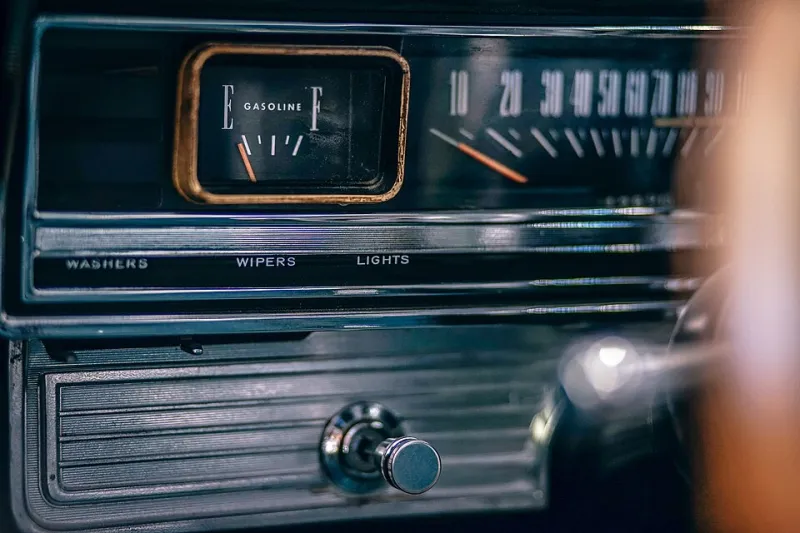
The breakthrough came when automobile manufacturers began installing colored dashboard lights that matched traffic signals. Car companies, selling vehicles nationwide, had no interest in customizing their instruments for different cities' color systems. They chose red and green dashboard indicators to match the emerging national standard, creating market pressure for cities to conform.
Why Red Ended Up on Top
One of the most heated debates involved the physical arrangement of colors on multi-light signals. Should red be at the top, bottom, or middle of the stack? The decision seems trivial now, but it sparked genuine controversy among traffic engineers.
The "red on top" faction argued that the stop signal should be in the most prominent position, where it would be most visible to approaching drivers. The "green on top" group countered that go was the normal state of traffic flow and deserved priority placement.
The issue was finally settled by practicality and weather. In northern cities, snow and ice tended to accumulate on the bottom portions of traffic signals, making lower lights harder to see. Putting red at the top ensured that the most critical safety signal remained visible even in harsh winter conditions.
The Federal Push
The final push toward complete standardization came during World War II, when the federal government needed consistent traffic systems for military transport and defense plant workers. The War Production Board issued guidelines strongly encouraging the red-yellow-green system with red on top, and most remaining holdout cities finally converted.
By 1950, the color system we know today was essentially universal across America. The Manual on Uniform Traffic Control Devices, first published in 1935 and regularly updated since, codified the standard that now governs every traffic light in the country.
The Invisible Success
Today's drivers navigate the American road system without consciously thinking about traffic light colors—which is exactly what those early traffic engineers hoped to achieve. The red-means-stop, green-means-go system has become so deeply ingrained in American culture that we export it worldwide and assume it's natural law.
But every time you stop at a red light or accelerate through a green one, you're participating in a system that was once hotly debated, gradually standardized, and ultimately proven through decades of trial and error. The colors that seem so obvious today were once the subject of passionate disagreement among some of America's smartest transportation engineers.
The next time you're waiting at a traffic light, take a moment to appreciate that simple red-yellow-green sequence. It represents one of America's most successful exercises in national standardization—a system so effective that we've forgotten it was ever controversial.