The Awkward Moment That Invented the Free Upgrade: How Rental Car Chaos Became Customer Gold
Every frequent traveler knows the drill: you reserve an economy car, show up at the rental counter, and there's a decent chance you'll walk away with something bigger, fancier, or more expensive than what you paid for. The "complimentary upgrade" has become such a standard part of the rental car experience that most people assume it was always part of the business model.
It wasn't. The free upgrade was actually born from a single moment of panic at a rental lot in the early 1960s, when an overwhelmed employee had to choose between disappointing a customer and giving away a more expensive car for free. That split-second decision accidentally created one of the travel industry's most enduring marketing strategies.
The Chaos of Early Car Rental
To understand how upgrades became standard practice, you need to picture the rental car industry in its early days. In the 1950s and early 1960s, car rental was still a relatively new business, dominated by small, independent operators who often ran their operations out of gas stations or used car lots.
These early rental agencies had no sophisticated inventory management systems, no computerized reservations, and no real understanding of demand forecasting. They basically guessed how many cars they'd need in each category and hoped for the best. This led to constant mismatches between what customers had reserved and what was actually sitting on the lot.
The Day Everything Went Wrong in Detroit
The pivotal moment happened on a busy Monday morning in October 1962 at a Hertz location near Detroit Metropolitan Airport. According to company records later uncovered by industry historians, the weekend had been busier than expected, and several economy cars hadn't been returned on time. When the morning rush of business travelers arrived, agent Robert "Bob" Kelley found himself staring at a lot full of mid-size and luxury vehicles — but no economy cars.
 Photo: Robert Kelley, via robertkelleyart.com
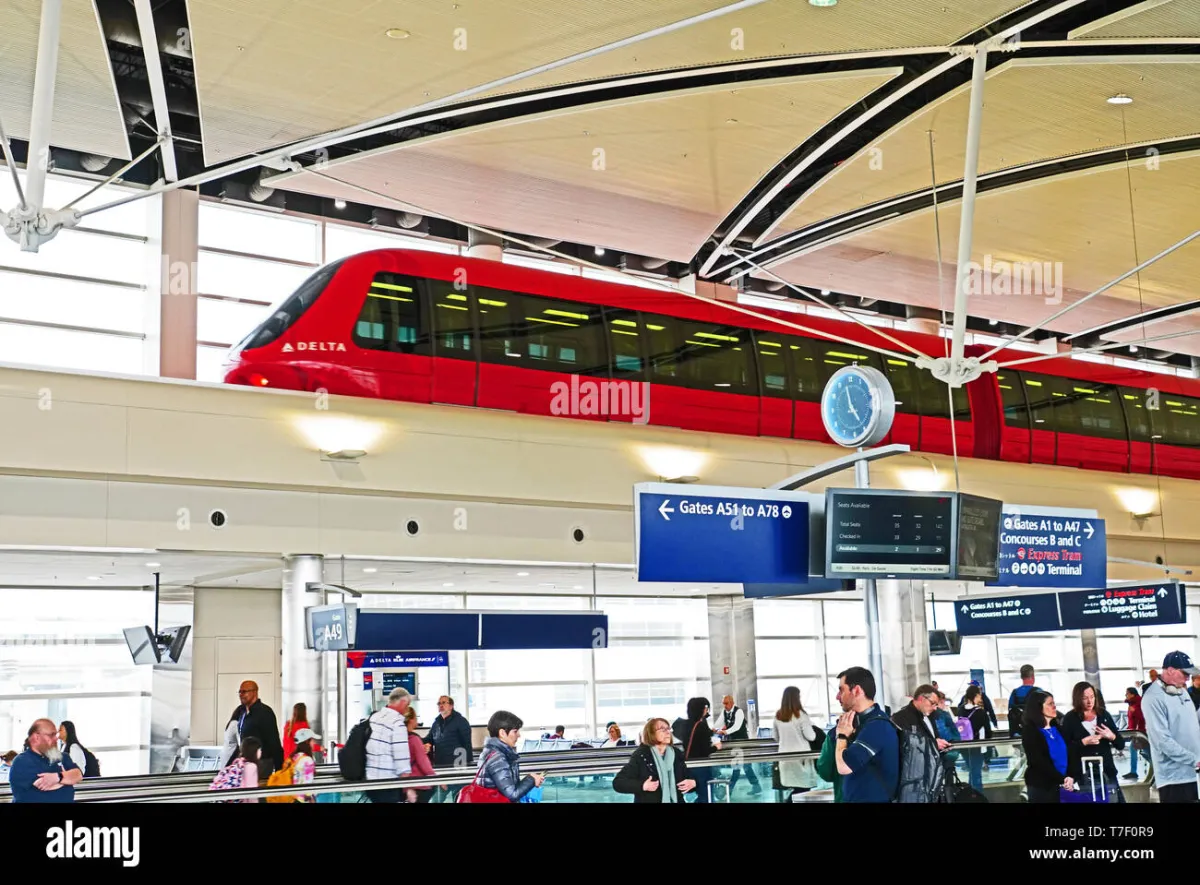 Photo: Detroit Metropolitan Airport, via c8.alamy.com
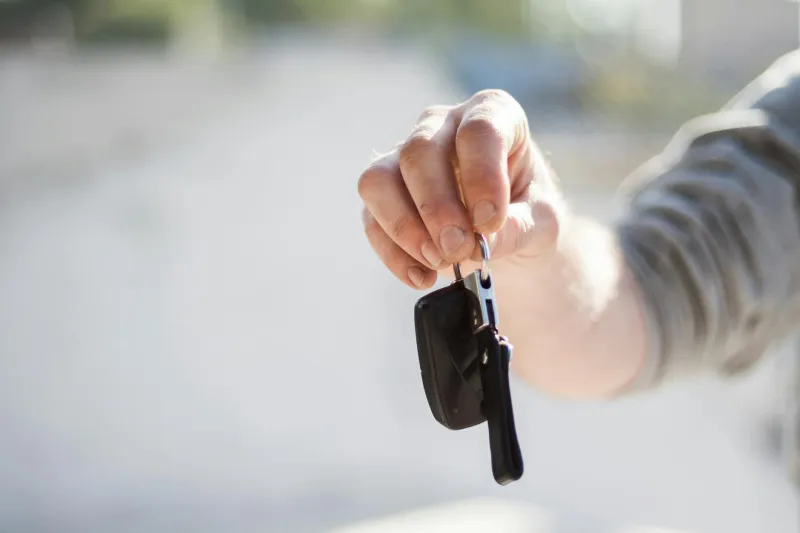
The first customer in line was Dr. William Harrison, a physician flying to Detroit for a medical conference. He'd reserved an economy car for three days and was already running late for his first appointment. Kelley had two choices: tell Harrison his reserved car wasn't available and watch him storm off to a competitor, or hand him the keys to a more expensive vehicle and hope his supervisor wouldn't notice.
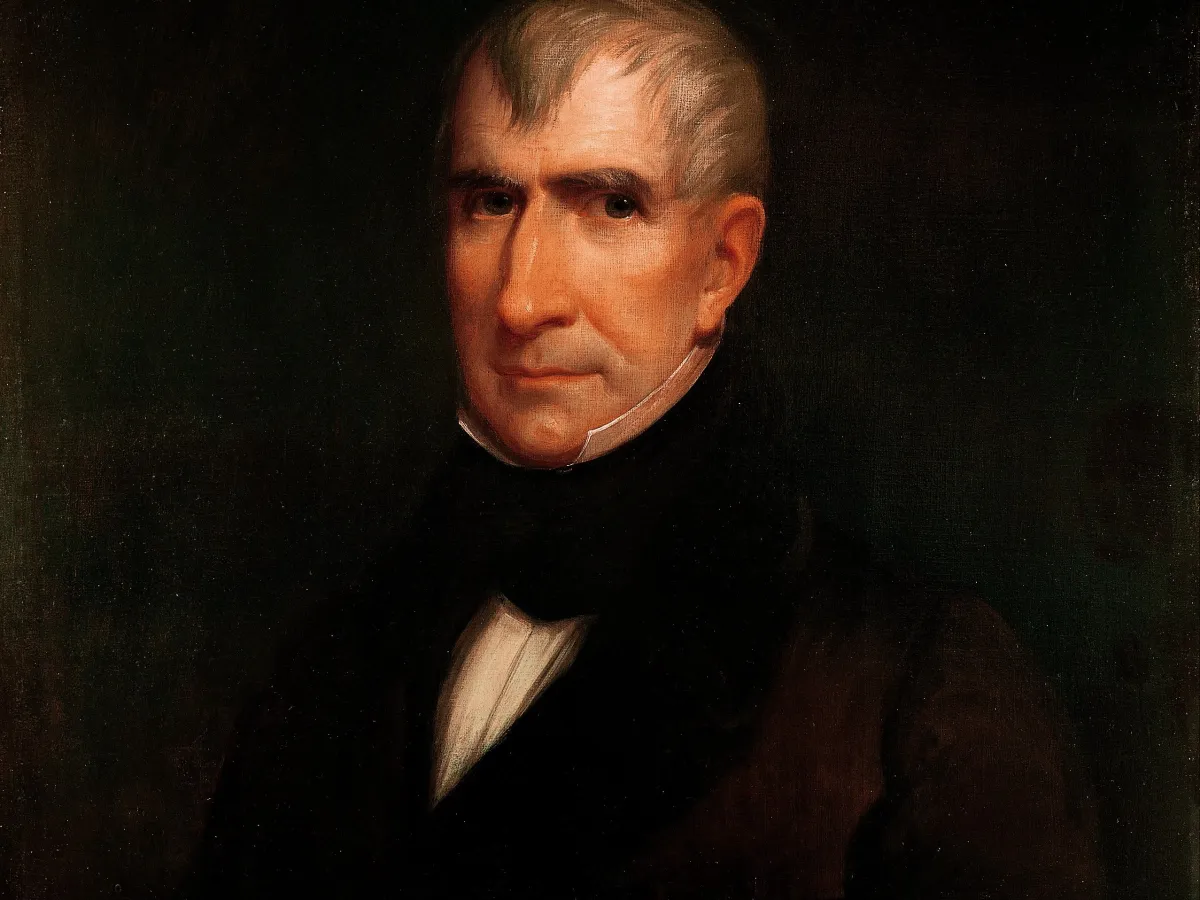 Photo: Dr. William Harrison, via i2.wp.com
Kelley chose option two. He told Harrison that due to "fleet adjustments," he was being upgraded to a mid-size sedan at no additional charge. Harrison was delighted, Kelley avoided a confrontation, and the rental counter kept moving.
When the Exception Became the Rule
Word of Kelley's solution quickly spread through the Detroit location and then to other Hertz offices dealing with similar inventory problems. Managers realized they'd accidentally discovered something powerful: customers loved getting more than they paid for, even when the upgrade was really just the company's way of dealing with operational failures.
But the real breakthrough came when Hertz executives noticed that customers who received unexpected upgrades became incredibly loyal to the brand. Harrison, the doctor who got the first accidental upgrade, became a regular Hertz customer and frequently told colleagues about his positive experience. Market research revealed that upgraded customers were three times more likely to rent from the same company again.
The Marketing Machine Takes Over
By 1965, what had started as crisis management had evolved into deliberate strategy. Hertz began intentionally overbooking economy categories, knowing they could satisfy customers with upgrades while creating the impression of exceptional customer service. The practice was so successful that competing companies like Avis and National quickly adopted similar policies.
The rental industry had stumbled onto a psychological goldmine. Customers who received upgrades felt like they'd won a small lottery, even though the companies were simply managing their inventory more efficiently. The "free" upgrade cost the rental agencies nothing — they were just redistributing cars they already owned — but created enormous goodwill and customer loyalty.
The Science of Strategic Disappointment
As the upgrade system matured, rental companies developed sophisticated algorithms to optimize the practice. They learned to deliberately under-order popular economy vehicles, knowing they could satisfy demand with higher-category cars while making customers feel special.
The companies also discovered that the upgrade experience worked best when it felt spontaneous and generous, not systematic. Agents were trained to present upgrades as special favors or lucky breaks, not as routine business practices. This theatrical element was crucial — customers needed to feel like they were receiving unexpected value, not just getting shuffled around an inventory system.
The Frequent Traveler Arms Race
By the 1980s, the upgrade had become a central component of customer loyalty programs. Rental companies began promising guaranteed upgrades to their best customers, creating a hierarchy of perks that encouraged repeat business. The more you rented, the better your chances of getting that luxury sedan instead of the compact car you actually needed.
This system created its own problems. Frequent business travelers began gaming the system, booking the cheapest possible cars with the expectation of automatic upgrades. Meanwhile, occasional renters who actually wanted economy vehicles sometimes found themselves forced into larger, more expensive categories because the rental companies had systematically under-stocked their budget fleets.
The Digital Age Complication
The rise of online booking and smartphone apps has complicated the upgrade game. Customers can now see real-time inventory and pricing, making it harder for rental companies to maintain the illusion that upgrades are spontaneous gifts rather than calculated business moves. Some companies have responded by making the upgrade process more transparent, while others have doubled down on the theater of surprise.
Modern rental apps often feature "upgrade offers" that customers can purchase in advance, turning what was once a free perk into a revenue stream. But the companies still maintain fleets of unexpected upgrades for the rental counter, preserving the original magic of getting more than you paid for.
The Lasting Impact of One Panicked Decision
Today, the rental car upgrade is so embedded in travel culture that it's spawned its own vocabulary, strategies, and expectations. Travel forums are filled with tips for maximizing upgrade chances, and frequent travelers plan their rental strategies around the possibility of getting better cars for free.
Bob Kelley's split-second decision to hand Dr. Harrison a better car rather than deal with an angry customer accidentally created a business practice that generates billions in customer loyalty value across the travel industry. What started as one employee's attempt to avoid an awkward conversation became a fundamental part of how Americans think about travel perks and customer service.
The next time you walk up to a rental car counter hoping for an upgrade, remember that you're participating in a tradition that began with operational chaos and one agent's quick thinking. Sometimes the best business innovations aren't planned strategies — they're just creative solutions to immediate problems that turn out to work better than anyone expected.