The Woman Who Solved Rain Driving — But Had to Wait 10 Years for Detroit to Listen
The Streetcar Ride That Changed Driving Forever
On a snowy day in New York City in 1902, Mary Anderson was riding a streetcar when she noticed something that would eventually save millions of lives. The operator kept stopping to get out and wipe snow off the front window because he couldn't see where he was going. Other passengers seemed resigned to this routine interruption, but Anderson saw a problem that needed solving.
 Photo: New York City, via wallup.net
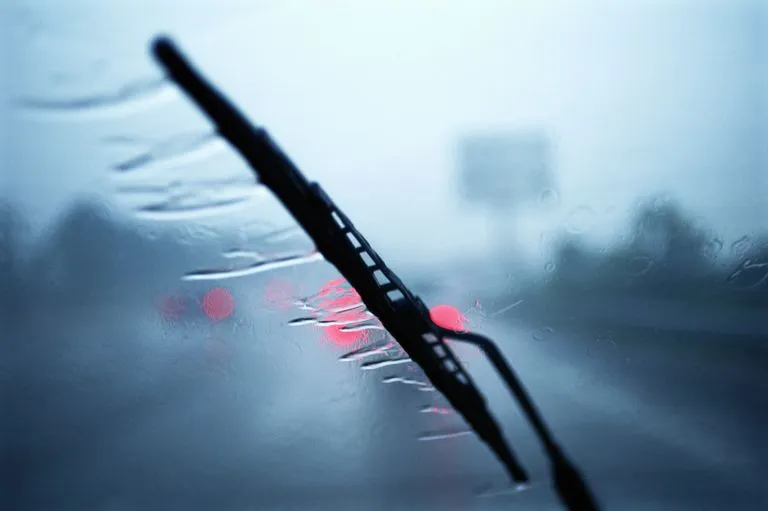 Photo: Mary Anderson, via www.thoughtco.com
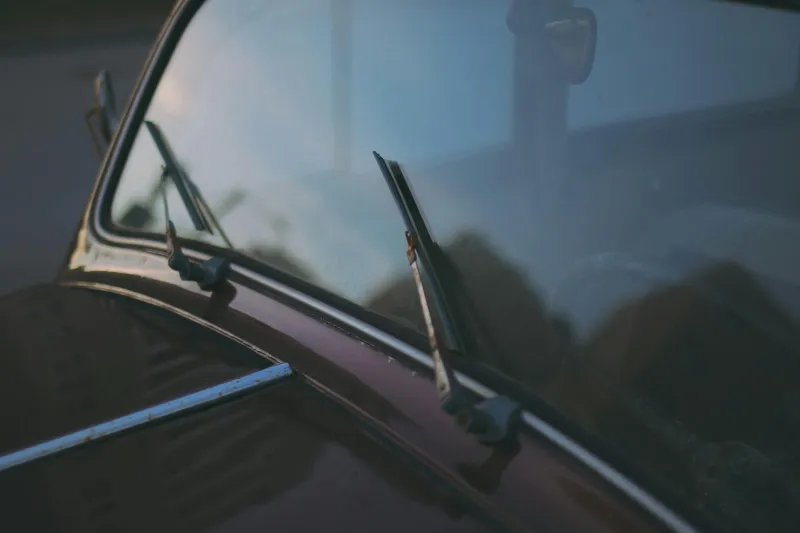
Within a year, she had designed and patented a device that could clear a windshield from inside the vehicle — a rubber blade attached to a lever that drivers could operate without stopping. She called it a "window cleaning device," but we know it today as the windshield wiper.
When Detroit Said "Thanks, But No Thanks"
Anderson tried to sell her invention to manufacturers, confident that anyone who had ever driven in bad weather would immediately see its value. She was wrong about the immediacy part.
Automakers rejected her design across the board. Their reasoning seemed logical at the time: cars were still luxury items driven primarily in fair weather. If it rained, drivers could simply pull over and wait it out, or wipe their windshields by hand. Some manufacturers worried that the moving blade would distract drivers or that the mechanism would break and become a safety hazard.
One company representative told Anderson that her device had "no commercial value." Another suggested that drivers would never accept having to operate a lever while driving — it was too complicated.
The Dangerous Decade
But as cars became more common and Americans started driving in all weather conditions, the problems Anderson had anticipated began killing people. Drivers caught in sudden rainstorms would pull over repeatedly to wipe their windshields, creating traffic hazards. Others would stick their heads out windows to see, losing control of their vehicles. Some simply drove blind, hoping for the best.
Newspaper accounts from the 1910s are filled with crashes attributed to "poor visibility" and "rain-obscured windshields." Police reports described drivers who admitted they couldn't see the road but kept driving anyway. The automobile industry's solution was typically American: more horsepower, not more safety.
The Patent That Almost Expired Worthless
Anderson's patent was set to expire in 1920. By then, she had given up on convincing manufacturers and had moved on to other projects. She never made a dime from her invention, despite the fact that it would eventually become mandatory equipment on every car in America.
The breakthrough came not from Detroit's sudden wisdom, but from competition. As car ownership exploded after World War I, manufacturers realized that drivers were demanding vehicles they could use year-round. The company that could offer safe all-weather driving would have a massive advantage.
When Necessity Finally Overcame Stubbornness
By 1916, several manufacturers had quietly begun installing windshield wipers as optional equipment. Cadillac was among the first to make them standard, marketing their cars as suitable for "professional drivers who cannot afford to stop for weather."
The real tipping point came when drivers started retrofitting their own wipers. Aftermarket companies began selling Anderson-style devices that drivers could install themselves. When manufacturers saw customers literally bolting wipers onto cars that didn't come with them, they finally understood the market demand.
The Design That Conquered Detroit
Anderson's original design was elegantly simple: a rubber blade attached to a pivoting arm, operated by a lever inside the car. The mechanism was spring-loaded to maintain pressure against the windshield and could be adjusted for different weather conditions.
What made her design brilliant wasn't just that it worked — it was that it worked without requiring any changes to existing car manufacturing processes. The wiper could be added to any vehicle without redesigning the windshield, dashboard, or body. This simplicity eventually convinced cost-conscious manufacturers that wipers weren't a luxury feature requiring expensive retooling.
From Luxury to Law
By the 1930s, windshield wipers were standard on virtually every American car. What had been dismissed as unnecessary became so essential that most states eventually required them by law. Today, driving without functional wipers is illegal in all 50 states.
The irony is that Anderson's "commercially worthless" invention became one of the most universal features in automotive history. Every car manufacturer in the world now includes some version of her basic design, and the global windshield wiper market is worth billions of dollars annually.
The Lesson Detroit Learned Too Late
Mary Anderson died in 1953, long after her invention had become ubiquitous but never having profited from it. Her story represents a pattern that would repeat throughout automotive history: inventors solving obvious problems that manufacturers refused to acknowledge until customer demand forced their hand.
The windshield wiper's delayed adoption reveals something important about how innovation actually works in America. Sometimes the most valuable inventions are the ones that seem so simple that industry experts dismiss them as worthless — until millions of ordinary people prove the experts wrong.