The Penny-Pinching Station Owner Who Started America's Great Gas Pump Revolution
The Desperate Move That Changed Everything
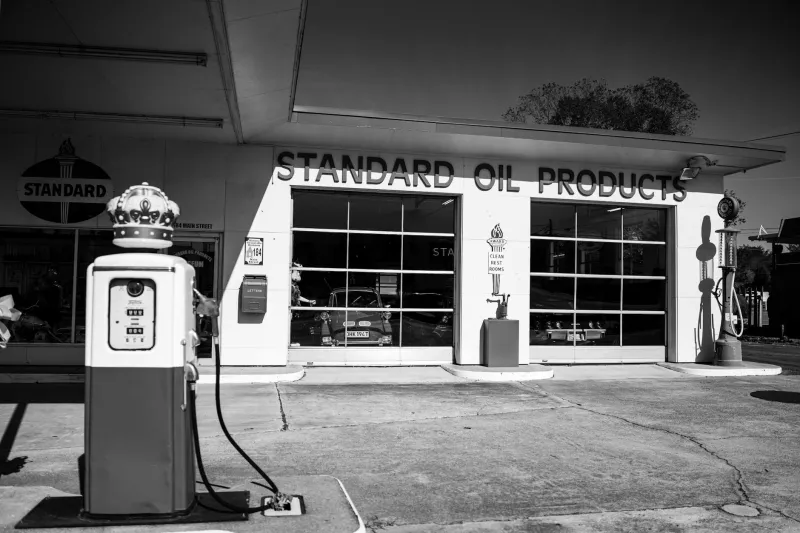
Frank Urich was losing money fast. His Mobil station in Los Angeles was getting crushed by competitors who could afford to hire more attendants and offer faster service. In 1947, labor costs were eating into profits, and Urich was facing a simple choice: find a way to cut expenses or go out of business.
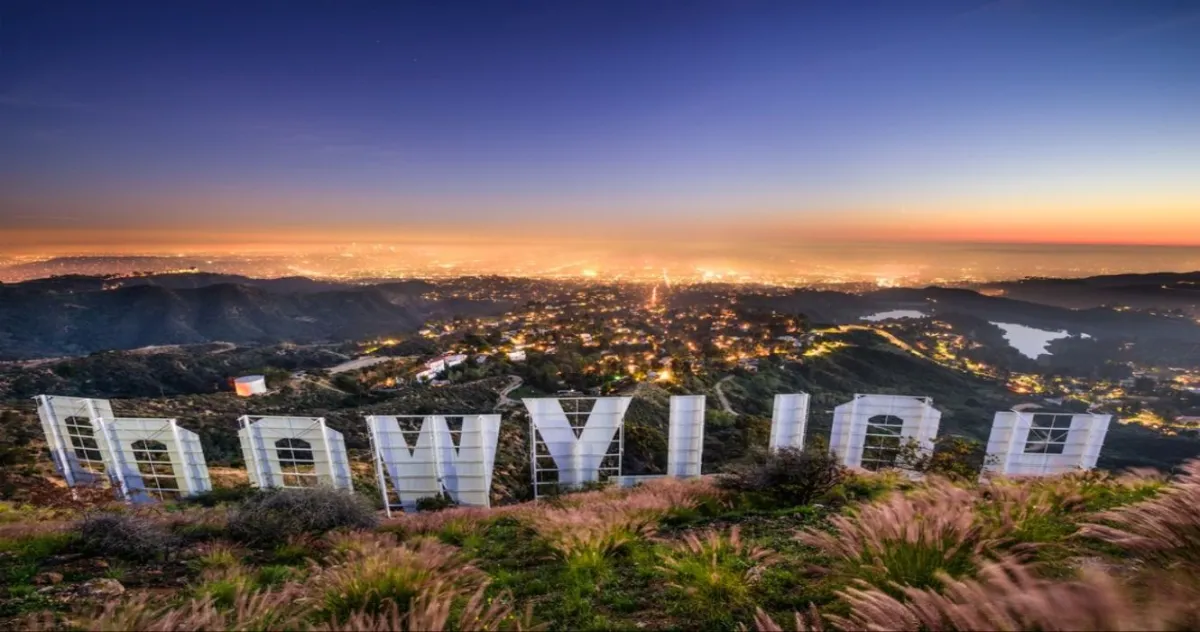 Photo: Los Angeles, via static1.thetravelimages.com
His solution seemed radical at the time: fire the attendants and let customers pump their own gas. He posted signs explaining the new system, dropped his prices by several cents per gallon, and waited to see what would happen. What happened was a revolution that would reshape American retail forever.
The Customers Who Broke the Rules
Urich's experiment violated everything the oil industry believed about customer service. Gas stations were supposed to be full-service establishments where uniformed attendants filled tanks, checked oil, cleaned windshields, and provided automotive advice. The idea that customers would willingly perform these tasks themselves seemed absurd.
But Urich had underestimated American pragmatism. Drivers quickly discovered they could save money and time by skipping the service ritual and just buying gas. Lines at his station grew longer as word spread about the lower prices. Other station owners watched nervously as their customers defected to the upstart who had broken the industry's unwritten rules.
When the Government Stepped In
The oil companies weren't going to let Urich's rebellion spread without a fight. They lobbied city officials, arguing that self-service stations were dangerous fire hazards that put untrained customers at risk. Los Angeles fire marshals agreed, citing concerns about gasoline spills, static electricity, and improper handling of fuel equipment.
In 1948, the city banned self-service gas stations entirely. Urich was forced to hire attendants again or shut down. The oil industry celebrated what they assumed was the end of a dangerous experiment. They were celebrating too early.
The Idea That Wouldn't Die
Banning self-service in Los Angeles only pushed the concept to other markets. Station owners across California had watched Urich's success and were eager to try the model themselves. They moved to counties and cities with more permissive regulations, opening self-service stations that immediately attracted price-conscious customers.
The economics were undeniable: eliminating labor costs allowed station owners to offer significantly lower prices while maintaining healthy profit margins. As gas prices rose during the 1950s, the savings became even more attractive to consumers. Self-service stations began appearing in Oregon, Arizona, and other western states.
The Culture War Over Gas Pumps
What started as a business decision became a cultural battle. Traditional full-service advocates argued that self-service was undignified, unsafe, and bad for local employment. They painted self-service customers as cheapskates willing to sacrifice safety and service for a few pennies.
Self-service supporters countered that the old system was paternalistic and inefficient. Why should customers pay extra for services they didn't want or need? The debate reflected broader American tensions about automation, consumer choice, and the changing nature of retail work.
The State-by-State Revolution
By the 1960s, self-service was spreading rapidly across the country, but the adoption pattern was uneven. Some states embraced the new model quickly, while others resisted for decades. The resistance often came from unexpected sources: labor unions worried about job losses, fire departments concerned about safety, and oil companies protecting their full-service profit margins.
New Jersey became the most famous holdout, banning self-service entirely in 1949 and maintaining the ban for decades. Oregon followed suit in 1951. These states argued that professional attendants were necessary for public safety, but critics suspected the real motivation was protecting established business interests.
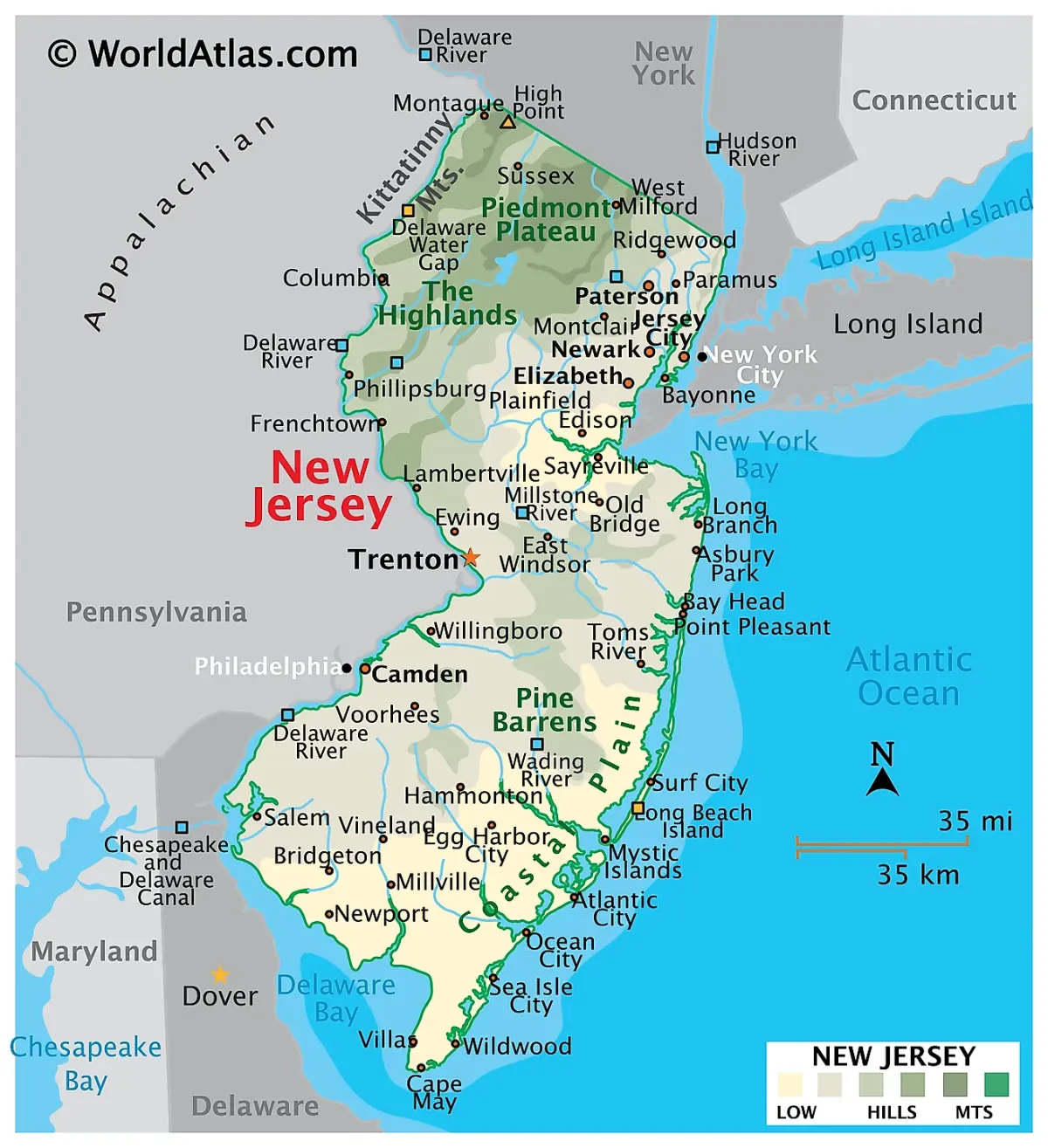 Photo: New Jersey, via www.worldatlas.com
The Oil Crisis That Settled the Debate
The 1973 oil embargo finally tipped the balance decisively toward self-service. As gas prices skyrocketed, even loyal full-service customers began seeking cheaper alternatives. Station owners who had resisted self-service found themselves losing customers to competitors offering significant savings.
The crisis also changed public attitudes about energy consumption. Self-service became associated with conservation and efficiency rather than just cost-cutting. Americans who had once viewed pumping their own gas as beneath their dignity now saw it as responsible citizenship.
The Technology That Made It Work
Self-service stations required technological innovations that didn't exist when Urich started his experiment. Early self-service pumps were basically full-service equipment with longer hoses, but they evolved rapidly to meet consumer needs.
Automatic shut-off mechanisms prevented overfilling. Credit card readers eliminated the need for cash transactions. Digital displays provided clear pricing information. These improvements made self-service safer and more convenient than the original full-service model.
The Holdouts Who Never Surrendered
Today, Oregon and New Jersey remain the last major holdouts against self-service gas stations. Both states cite safety concerns and employment protection as justifications for maintaining their bans. Residents of these states often express fierce loyalty to full-service, viewing it as a civilized amenity that other Americans have foolishly abandoned.
The persistence of these bans demonstrates how deeply Frank Urich's innovation challenged established ways of doing business. More than 75 years after his experiment, the debate over self-service continues in some corners of America.
The Legacy of a Desperate Decision
Frank Urich never intended to revolutionize American retail. He just needed to cut costs to stay in business. But his desperate experiment revealed something important about consumer behavior: given the choice between service and savings, Americans will usually choose savings.
Today, self-service dominates not just gas stations but grocery stores, banks, airports, and countless other retail environments. The concept Urich pioneered in his struggling Los Angeles station became a template for modern American commerce, proving that sometimes the most transformative innovations come from the most mundane business problems.