When American Roads Had No Rules: The Detroit Club Member Who Invented Order from Chaos
The Wild West of Early Driving
Picture this: you're driving through rural Ohio in 1912, and you approach what looks like a dangerous curve ahead. Maybe there's a hand-painted sign nailed to a fence post warning "SLOW DOWN." Or maybe there's a pile of rocks someone arranged to signal caution. Or maybe there's nothing at all — just you, your Model T, and whatever's around that blind corner.
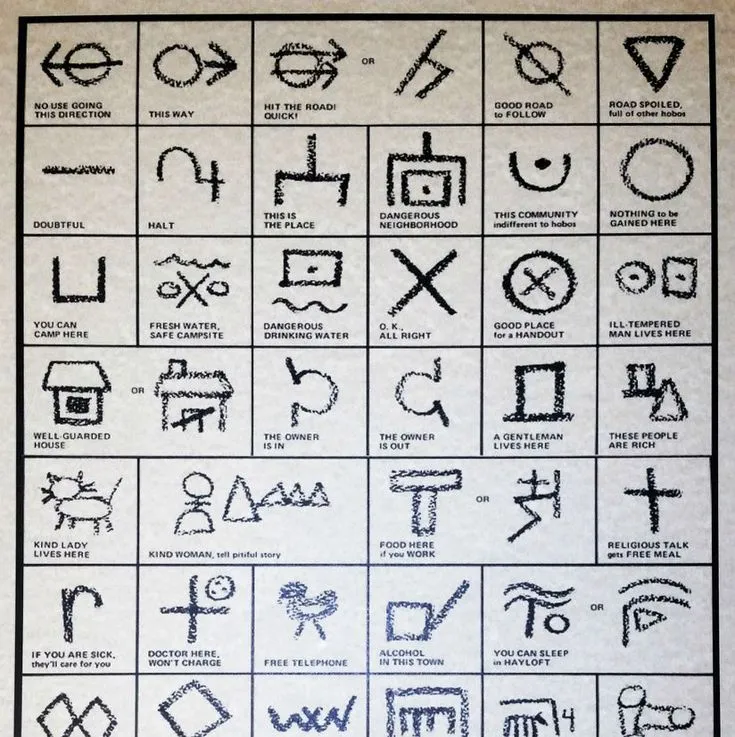
This was the reality of early American motoring. Before standardized road signs existed, drivers navigated a chaotic patchwork of local warnings, farmer-made symbols, and pure guesswork. Every town had its own system, if it had any system at all.
The Detroit Automobile Club was getting fed up with this mess.
A Club's Simple Idea
In 1914, members of the Detroit Automobile Club were planning longer trips beyond their familiar Michigan roads. They kept encountering the same problem: once you left your hometown, you were essentially driving blind. What did that red painted rock mean? Was that wooden arrow pointing toward a bridge or a cliff?
The club's solution seemed obvious: create uniform signs that would mean the same thing everywhere in America. They proposed a simple system of standardized shapes and colors that any driver could understand, regardless of which state they were traveling through.
It was brilliant. It was logical. And almost nobody wanted to do it.
The Resistance
Local governments across America viewed the Detroit club's proposal with deep suspicion. This wasn't just about road signs — it was about control. Town councils and county commissioners had been managing their own roads just fine, thank you very much. Why should some automobile club from Michigan tell them how to mark their territory?
The resistance ran deeper than local pride. In an era when federal overreach was a constant political concern, many officials saw standardized signage as the thin end of a very thick wedge. If they accepted uniform traffic signs today, what would Washington demand tomorrow?
Farmers painted their own warnings on rocks and fence posts, and they'd been doing it for years. Local blacksmiths crafted custom signs for their communities. This was American self-reliance in action — why fix what wasn't broken?
The Crash That Changed Everything
On a foggy morning in September 1915, two cars collided head-on along a rural stretch of road outside Zanesville, Ohio. The crash itself wasn't unusual — automobile accidents were becoming depressingly common as more Americans took to the roads. But this particular accident had a witness who would change everything.
Dr. William Eno, a traffic safety advocate from New York, happened to be traveling the same route that morning. He arrived at the crash site within minutes and watched as local residents tried to help the injured drivers. As Eno examined the scene, he realized something crucial: both drivers had been completely unaware of the dangerous curve ahead.
There had been no warning. No sign. No indication whatsoever that this quiet country road contained a deadly hazard.
The Campaign Begins
Dr. Eno's detailed report of the Ohio crash became a rallying cry for the Detroit Automobile Club's standardization campaign. Here was proof that the current system — or lack thereof — was literally killing people.
The club began a methodical state-by-state lobbying effort. They produced detailed studies showing accident rates on marked versus unmarked roads. They brought in traffic engineers who demonstrated how standardized signage had reduced crashes in European cities. Most importantly, they kept documenting accidents that could have been prevented with proper warning signs.
Slowly, the resistance began to crumble.
The First Standard
In 1918, Wisconsin became the first state to adopt the Detroit club's standardized sign system. The results were immediate and dramatic — traffic accidents dropped by nearly 30% on marked roads within the first year.
Other states took notice. By 1920, Michigan, Ohio, and Indiana had joined Wisconsin in adopting uniform signage. The patchwork was beginning to come together.
But it would take another decade before the system truly took hold nationwide. Some rural counties continued using their own homemade warnings well into the 1930s, and a few stubborn towns held out even longer.
The Legacy of Order
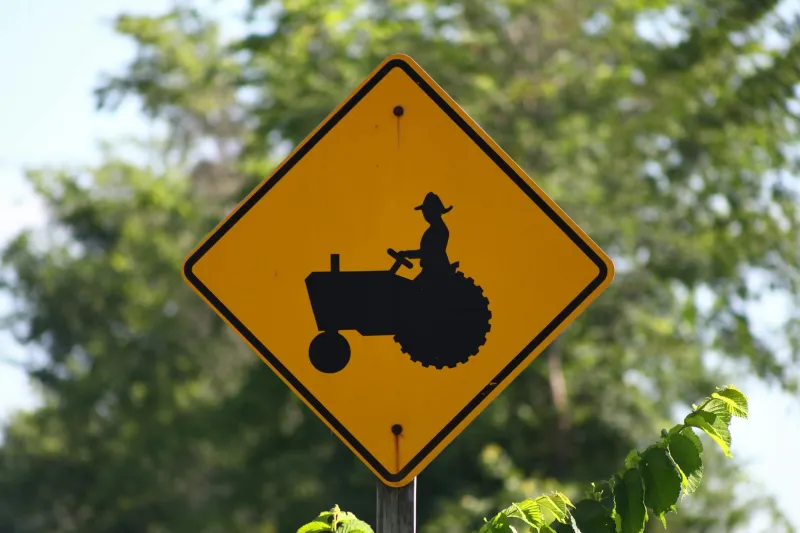
Today's drivers take standardized road signs completely for granted. That octagonal red stop sign means the same thing whether you're in downtown Detroit or rural Montana. Yellow warning signs indicate caution from coast to coast. Green signs guide you to your destination across thousands of miles of highway.
This uniformity didn't happen by accident — it was the hard-fought victory of a small group of Detroit automobile enthusiasts who refused to accept that chaos was the natural state of American roads.
The next time you see a familiar road sign in an unfamiliar place, remember the forgotten genius of that Detroit club member who first imagined a world where American drivers could navigate by more than hope and guesswork. It took a fatal crash and years of political battles, but they eventually gave us something invaluable: the ability to drive anywhere in America and know exactly what the signs mean.