How the 1970s Oil Crisis Accidentally Created America's Gas Station Food Empire
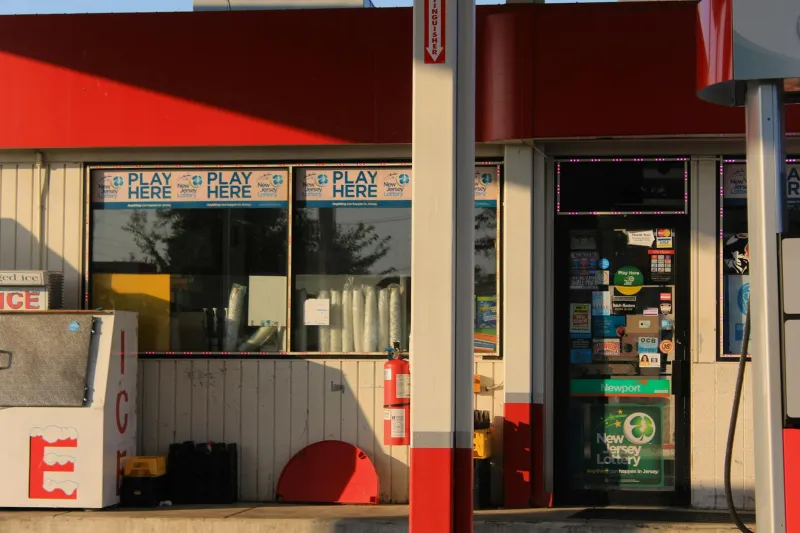
The Day Gas Stations Almost Died
October 17, 1973 started like any other day for gas station owners across America. By evening, everything had changed. The Arab oil embargo had begun, and fuel prices were about to quadruple seemingly overnight. Suddenly, the business model that had sustained thousands of small gas stations for decades — selling fuel with thin margins and hoping for high volume — was completely broken.
Station owners faced an impossible choice: raise prices and watch customers disappear, or keep prices low and go bankrupt on every gallon sold. Most chose a third option that seemed crazy at the time — they decided to start selling food.
The Desperate Search for Revenue
The math was simple and terrifying. Before the embargo, a typical gas station might make 3-5 cents profit per gallon on fuel that sold for 35 cents. With crude oil prices skyrocketing, that same gallon now cost them 50 cents to buy wholesale, but customers balked at paying more than 60 cents at the pump. The profit margins that once sustained entire businesses had evaporated.
"We were hemorrhaging money on every car that pulled up," remembered Frank Morrison, who owned three Texaco stations in Ohio during the crisis. "My accountant told me I had maybe six months before bankruptcy. I needed to sell something — anything — that people would actually pay a decent markup for."
The solution came from an unlikely source: movie theater concessions. Theater owners had long known that the real money wasn't in ticket sales but in overpriced snacks. If people would pay 50 cents for a hot dog that cost 10 cents to make, why couldn't gas stations do the same thing?
The Birth of the Roller Grill
The first roller grills appeared in gas stations in late 1973 and early 1974, imported from the restaurant supply industry where they'd been warming hot dogs and sausages for years. These weren't sophisticated cooking devices — just heated metal rollers that kept pre-cooked sausages warm while rotating them endlessly to prevent burning.
What made them perfect for gas stations wasn't their culinary capabilities, but their economics. A hot dog that cost 15 cents to buy could sell for 75 cents or more. Better yet, they required no cooking skills, minimal maintenance, and could sit for hours without spoiling. A single station attendant could pump gas, check oil, and manage food sales simultaneously.
The early results were mixed. Customers were skeptical of buying food at gas stations, and the quality was often questionable. But desperate times called for desperate measures, and station owners persisted with the experiment.
The Convenience Store Revolution
By 1975, something unexpected was happening. Gas stations that had added food service weren't just surviving — some were actually more profitable than before the oil crisis. The markup on a hot dog was 400-500%, compared to the 10-15% they might make on gasoline. More importantly, food sales were consistent regardless of gas prices.
This realization sparked a fundamental shift in the industry. Gas stations began expanding their food offerings beyond roller grills to include chips, sodas, candy, and eventually full convenience store inventories. The companies that adapted fastest — like 7-Eleven and Circle K — grew from regional chains to national powerhouses almost overnight.
"The oil embargo was the best thing that ever happened to us," admitted one former Southland Corporation executive (7-Eleven's parent company). "It forced us to figure out what customers really valued, and it turned out they valued convenience more than we ever imagined."
The Hot Dog's Unlikely Triumph
Among all the new products gas stations began selling, the roller grill hot dog became the unexpected champion. Its success wasn't about taste — most people acknowledged that gas station hot dogs were mediocre at best. Instead, it was about reliability, speed, and price.
A roller grill hot dog was ready instantly, cost less than fast food, and satisfied the basic human need for warm, protein-rich food during long car trips. For truck drivers, construction workers, and anyone else who spent their days on the road, gas station hot dogs became a dietary staple purely through convenience.
By 1980, industry estimates suggested that American gas stations were selling over 2 billion hot dogs annually. The National Hot Dog and Sausage Council (yes, that's a real organization) declared gas stations the fastest-growing segment of the hot dog market.
The Economics That Changed Everything
The roller grill's impact went far beyond food sales. It proved that gas stations could make money selling products with high margins to customers who were already there for fuel. This insight transformed the entire industry from fuel-focused businesses to convenience-focused businesses that happened to sell gas.
Modern gas stations derive 60-70% of their profits from in-store sales, not fuel. The roller grill was the gateway drug that got customers comfortable with buying non-automotive products at gas stations. Once people accepted that they could grab a hot dog with their gas, it became natural to buy coffee, snacks, lottery tickets, and eventually even fresh sandwiches and salads.
The Cultural Legacy
Today, gas station food has evolved far beyond the basic roller grill, with some chains offering surprisingly sophisticated fare. But the rotating hot dog remains a fixture at thousands of stations across America, a testament to the power of simple solutions to complex problems.
The 1973 oil crisis lasted less than six months, but its impact on American roadside culture was permanent. It transformed gas stations from service-focused businesses to convenience-focused businesses, created the modern convenience store industry, and established the roller grill hot dog as one of America's most consumed — if not most celebrated — road foods.
What started as a desperate attempt to survive an economic crisis accidentally created a multi-billion-dollar industry that redefined how Americans eat while traveling. Sometimes the most lasting innovations come not from grand visions, but from ordinary people trying to solve immediate problems with whatever tools they have available.